


Transition time in the Gulf
Fearful of American shale and electric cars, GCC states want to lessen their oil-revenue dependence
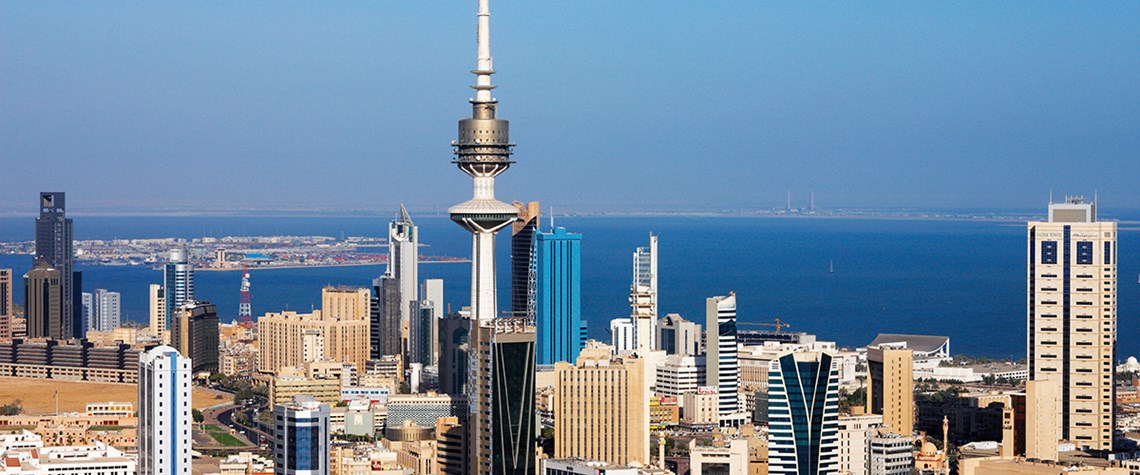
Kuwait has become the latest Gulf state to launch an ambitious plan to diversify its economy away from dependence on oil. "New Kuwait", a development strategy up to 2035, comes hard on the heels of Saudi Arabia's Vision 2030, launched in 2016. Among the aims of New Kuwait is to boost foreign-direct investment and expand the role of the private sector. Planned mega-projects in the coming decades aim to more than triple the country's revenue, from KD13bn ($42bn) to KD35bn, in 2035. That Gulf Cooperation Council (GCC) states need to move away from a reliance on income from hydrocarbons has been obvious for years, and the collapse of oil prices after 2014 has only reinforced that. Kuwait's lates

Also in this section
28 April 2026
Datacentres will guzzle power at a ferocious rate, but the impact on wider energy markets will be far more complex than previously thought
28 April 2026
The key energy player faces balancing regional routes, political complexities, and creating a clear strategic vision for energy security
24 April 2026
The European Commission’s response to the Middle East crisis is to double down on its transition strategy, with plans for a new target on electrification
24 April 2026
A major new discovery by Eni and BP that can likely be fast-tracked to production is welcome news for Egypt as it scrambles to plug a widening supply gap and deal with rising import risks


