


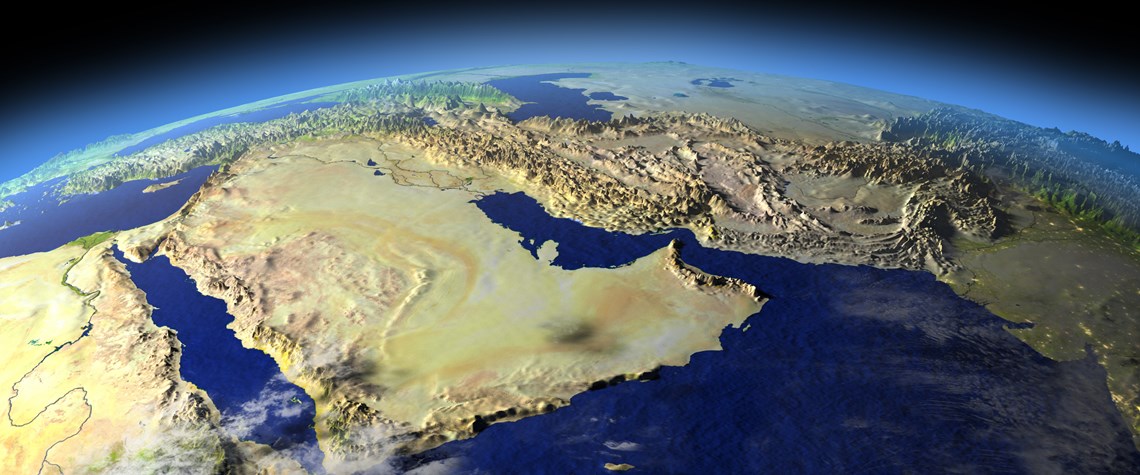
Troubled waters in the Gulf
The Qatar crisis has ensured that the region can no longer boast being an oasis of tranquillity
These are, to put it mildly, unsettling days for the Arab Gulf states. The Qatar crisis demonstrates dramatically what they had perhaps been unwilling to accept before: the comfort blanket of solid and enduring political stability has been removed. After decades of quiet oil-funded prosperity and back-seat regional politics, the six states of the Gulf Cooperation Council (Bahrain, Kuwait, Oman, Qatar, Saudi Arabia and the United Arab Emirates) face a maelstrom of challenges. Even before the Qatar controversy erupted, the population of the Gulf was witnessing a radical change in leadership styles—at least in two of the key GCC states, Saudi Arabia and the UAE. Two charismatic and ambitious le

Also in this section
13 March 2026
Brussels is again weighing a cap on gas prices amid the Hormuz crisis, but the measure could backfire by deterring the LNG cargoes Europe urgently needs
12 March 2026
Emergency oil stocks provide a last line of defence to oil market shocks, so the IEA’s unprecedented 400m bl release represents something of a double-edged sword
12 March 2026
LPG could rapidly expand access to clean cooking across Africa and prevent hundreds of thousands of deaths from indoor air pollution each year, but infrastructure shortages and regulatory barriers are slowing investment and market growth
11 March 2026
Missiles over Dubai and disruption in Hormuz are testing the emirate’s reputation—and shaking the energy hub at the centre of the Gulf economy


