


Conflict threatens Libyan oil sector’s long-term stability
Civil war endangers the state-owned oil company’s ability to maintain crude production and threatens the collapse of the entire sector
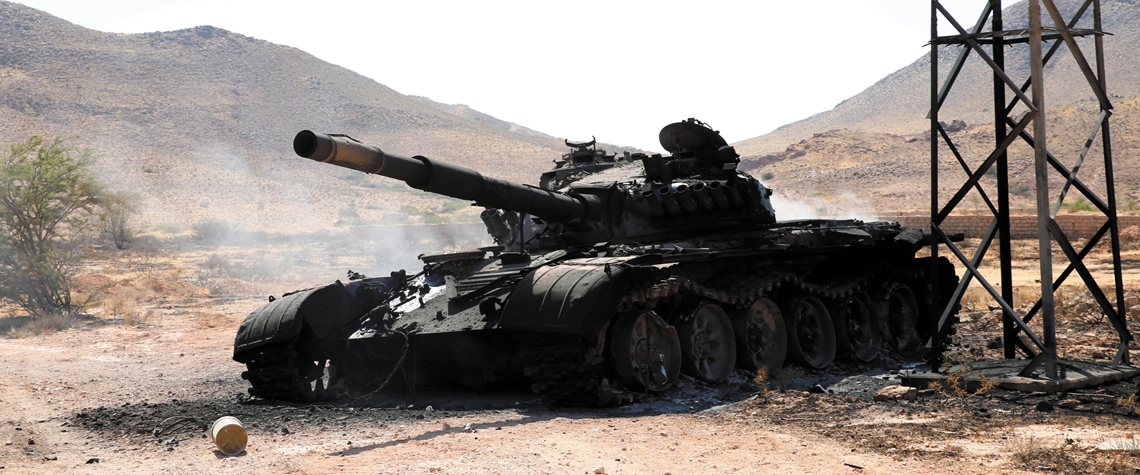
The polarising conflict that has left a trail of bombed out buildings, civilian casualties, and broken trust across Tripoli and western Libya since April shows no sign of letting up. Forces under the so-called Libyan National Army (LNA) led by Khalifa Haftar keep trying to push forward along frontlines south of the capital while forces opposed to the LNA’s assault, operating under the umbrella of the internationally-recognised Government of National Accord (GNA), keep pushing back. Both sides are heavily reliant on foreign support, particularly arms, ammunition and drones, to maintain their operations. But attempts to curtail foreign interference have failed to gain traction, suggesting th

Also in this section
16 April 2026
Demand for oil is falling because supply cannot meet it, not because it is no longer required
16 April 2026
The continent has an immediate opportunity to make the most of its energy resources by capturing gas that is currently slipping away
15 April 2026
The continent is seeing political pushback to climate plans, corporate reassessment of transition goals and rising supply risk in a fractured global order
15 April 2026
The Middle East energy crisis may turn out to be pivotal to the industry’s long-term expansion, but significant challenges still stand in its way


