


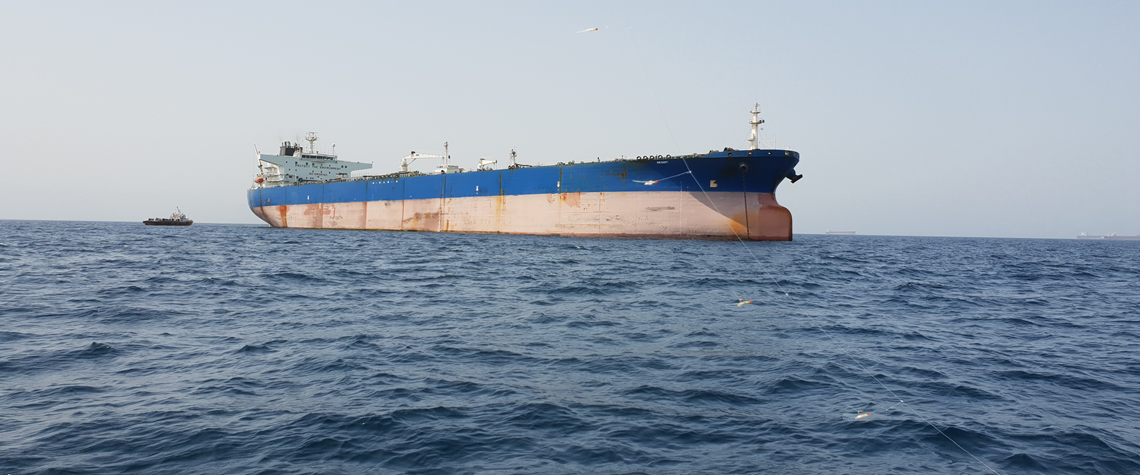
Dangerous dance in the Gulf
The US and Iran have thus far reacted to a string of provocative moves more in word than deed, but the potential for miscalculation is high
The summer has passed without any of the direct military clashes in the Gulf between US and Iranian forces that many had feared. But the autumn holds scant prospect of an early resolution of the crisis, and thus for reducing the risk of even an accidental misstep into war. And two external factors risk further ratcheting up the tension—the impact of the United Arab Emirates' (UAE) withdrawal from the battle against the Iran-backed Houthis in Yemen; and the 2020 US presidential election. Any number of incidents over the past few months could have triggered a military confrontation in the Gulf. President Donald Trump in June came close to ordering airstrikes against Iranian targets in retaliat

Also in this section
13 March 2026
Brussels is again weighing a cap on gas prices amid the Hormuz crisis, but the measure could backfire by deterring the LNG cargoes Europe urgently needs
12 March 2026
Emergency oil stocks provide a last line of defence to oil market shocks, so the IEA’s unprecedented 400m bl release represents something of a double-edged sword
12 March 2026
LPG could rapidly expand access to clean cooking across Africa and prevent hundreds of thousands of deaths from indoor air pollution each year, but infrastructure shortages and regulatory barriers are slowing investment and market growth
11 March 2026
Missiles over Dubai and disruption in Hormuz are testing the emirate’s reputation—and shaking the energy hub at the centre of the Gulf economy


