


Gulf states' cooperation quest falters
The GCC will struggle in 2019 to resolve the many issues that divide it and threaten its survival
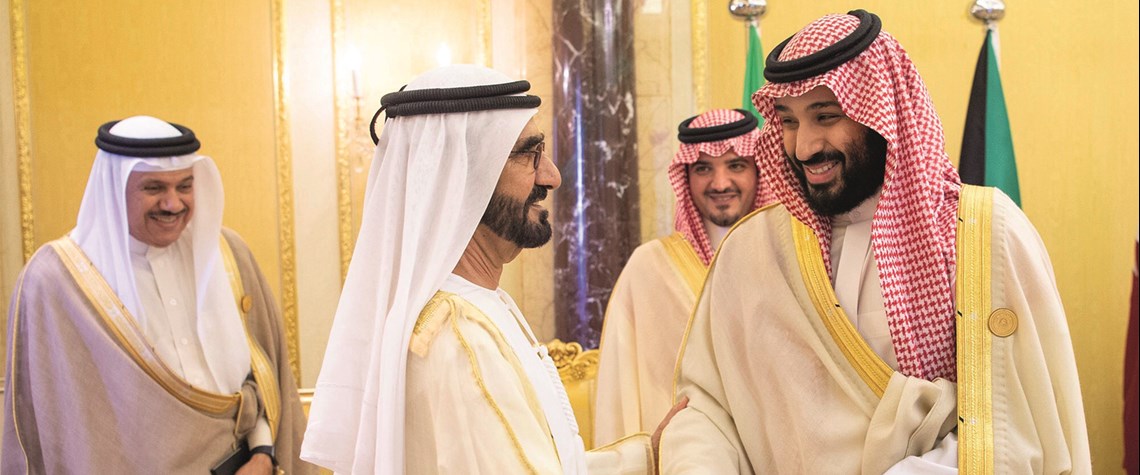
Nothing points up the frailty of the Gulf Cooperation Council (GCC) more than the Qatar crisis. When Saudi Arabia, the UAE and Bahrain imposed an economic and diplomatic blockade on Qatar in June 2017 — accusing it, among other things, of supporting terrorism — they undermined the foundations of the regional grouping. For not only did three Gulf states turn on a fourth, but the other two GCC members, Kuwait and Oman, declined to support the action against Qatar. The fault lines ran in differing directions. Getting all six leaders together in one room is proving impossible. At the 2017 summit in Kuwait, the host, Shaikh Sabah al-Ahmad al-Sabah, and the Emir of Qatar, Shaikh Tamim bin Hamad Al

Also in this section
13 March 2026
Brussels is again weighing a cap on gas prices amid the Hormuz crisis, but the measure could backfire by deterring the LNG cargoes Europe urgently needs
12 March 2026
Emergency oil stocks provide a last line of defence to oil market shocks, so the IEA’s unprecedented 400m bl release represents something of a double-edged sword
12 March 2026
LPG could rapidly expand access to clean cooking across Africa and prevent hundreds of thousands of deaths from indoor air pollution each year, but infrastructure shortages and regulatory barriers are slowing investment and market growth
11 March 2026
Missiles over Dubai and disruption in Hormuz are testing the emirate’s reputation—and shaking the energy hub at the centre of the Gulf economy


