


Immediate threat to Gulf oil flow lifted
The UK and Iran have shown that they do not want the seizure of a British-flagged oil tanker to be the trigger for an armed conflict
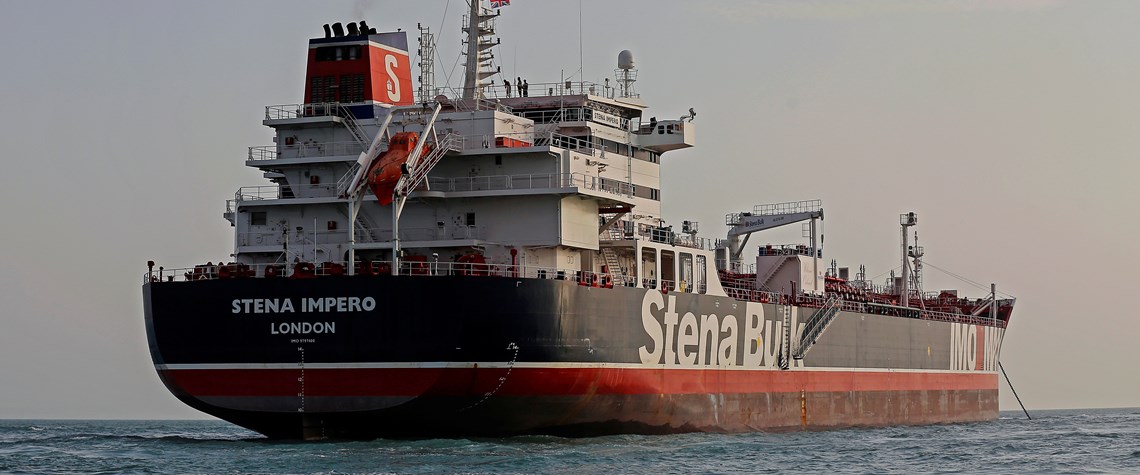
The decision by members of Iran's Islamic Revolutionary Guards Corps to board the Stena Impero off Oman and force it to sail to Bandar Abbas might well have been the spark to ignite a war in the Gulf. In the event, the UK and Iranian governments are showing clearly that they do not want this to happen. The UK's foreign minister, Jeremy Hunt, while describing the seizure of the tanker as an act of piracy, stressed his country's "desire to de-escalate" the crisis. Instead of direct military action to resolve the tanker issue, he proposed working with other European nations to work out a joint strategy to protect ships passing through the Strait of Hormuz. Iran's foreign minister, Mohammad Java

Also in this section
29 April 2026
Trafigura’s $1b prepayment agreement confirms African resource holders’ renewed interest in oil-backed financing deals as they look to capitalise on high oil prices
29 April 2026
The UAE’s departure from the oil producers’ group was a surprise to many, but the move can be traced back to a single point five years ago
28 April 2026
Oil traders warning of $200/bl oil are wrong, and the market should be wary of proclamations that the impact of the oil shortage has only begun to be felt and a that a ‘harsh adjustment’ is coming—even for industrialised nations
28 April 2026
Restoring supply from Saudi Arabia, the UAE, Kuwait, Qatar, Bahrain and Iraq involves complexities far beyond simply adjusting operational controls


