


Iran plays naval cat-and-mouse game in the Gulf
Western military protection for its tankers is expanding, but unconventional tactics remain a threat
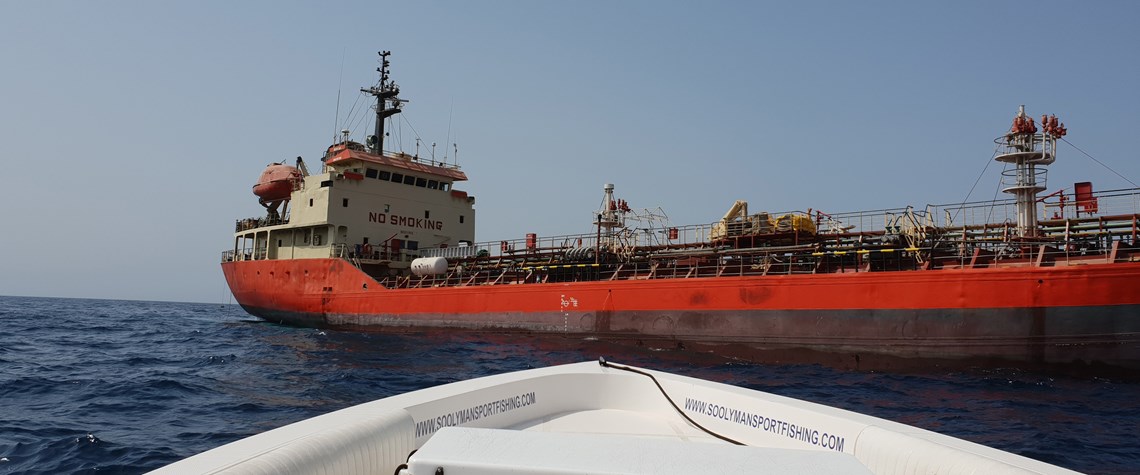
The arrival of a second British warship in the Gulf on 28 July means London has the resources to escort UK-flagged vessels through the Strait of Hormuz. But this support will be small comfort to tanker captains, or the industry that depends on them. State-of-the-art destroyer HMS Duncan and the already Gulf-based frigate HMS Montrose have the firepower, if backed by planes from the US 5th Fleet, to counter Iran's ageing collection of conventional bombers, frigates and submarines. But Iran has several unconventional means of causing havoc if it chooses. Limpet mines, placed by frogmen or delivered by fast boats, have already struck six tankers in the Gulf of Oman, triggering a blame-game abou

Also in this section
13 March 2026
Brussels is again weighing a cap on gas prices amid the Hormuz crisis, but the measure could backfire by deterring the LNG cargoes Europe urgently needs
12 March 2026
Emergency oil stocks provide a last line of defence to oil market shocks, so the IEA’s unprecedented 400m bl release represents something of a double-edged sword
12 March 2026
LPG could rapidly expand access to clean cooking across Africa and prevent hundreds of thousands of deaths from indoor air pollution each year, but infrastructure shortages and regulatory barriers are slowing investment and market growth
11 March 2026
Missiles over Dubai and disruption in Hormuz are testing the emirate’s reputation—and shaking the energy hub at the centre of the Gulf economy


