


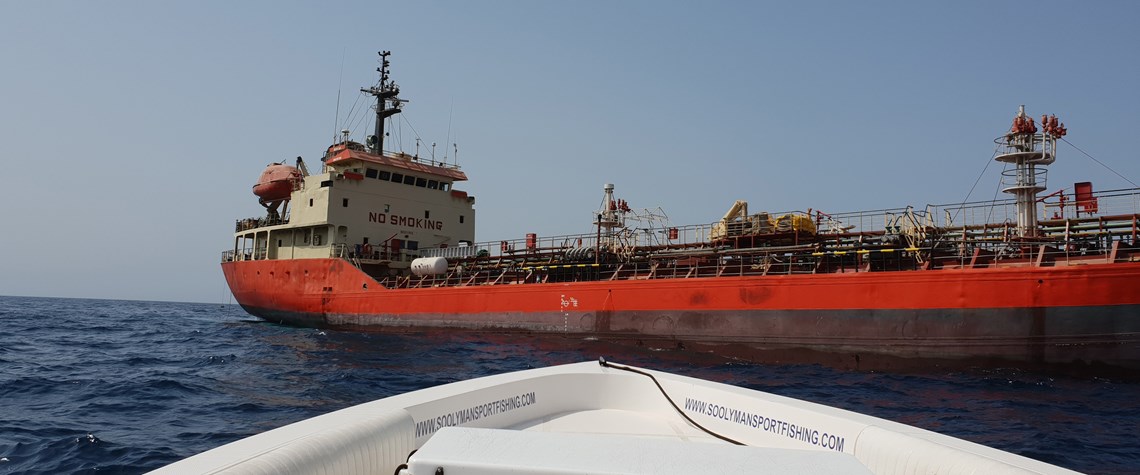
Iran plays naval cat-and-mouse game in the Gulf
Western military protection for its tankers is expanding, but unconventional tactics remain a threat
The arrival of a second British warship in the Gulf on 28 July means London has the resources to escort UK-flagged vessels through the Strait of Hormuz. But this support will be small comfort to tanker captains, or the industry that depends on them. State-of-the-art destroyer HMS Duncan and the already Gulf-based frigate HMS Montrose have the firepower, if backed by planes from the US 5th Fleet, to counter Iran's ageing collection of conventional bombers, frigates and submarines. But Iran has several unconventional means of causing havoc if it chooses. Limpet mines, placed by frogmen or delivered by fast boats, have already struck six tankers in the Gulf of Oman, triggering a blame-game abou

Also in this section
28 April 2026
The key energy player faces balancing regional routes, political complexities, and creating a clear strategic vision for energy security
24 April 2026
The European Commission’s response to the Middle East crisis is to double down on its transition strategy, with plans for a new target on electrification
24 April 2026
A major new discovery by Eni and BP that can likely be fast-tracked to production is welcome news for Egypt as it scrambles to plug a widening supply gap and deal with rising import risks
24 April 2026
Countries in the region are turning to the cleaner-burning fuel for power generation, driving demand for imports


