


Newsletters | Request Trial | Log in | Advertise | Digital Issue   |   Search
  • Upstream
  • Midstream & Downstream
  • Gas & LNG
  • Trading & Markets
  • Corporate & Finance
  • Geopolitics
  • Podcasts
Search
Related Articles
Explainer: Iran’s indispensable energy role
The country’s global energy importance and domestic political fate are interlocked, highlighting its outsized oil and gas powers, and the heightened fallout risk
The curious case of oil-on-water
The market is facing being drowned in excess crude, but one caveat is that a large chunk is due to buyers reluctant to snap up sanctioned barrels
MENA states sharpen their gas focus
The GCC countries and other states in the region are looking to make greater domestic use of gas, both that produced at home and imported volumes
Letter from the Middle East: Iran-Israel war risks dire straits
A blockade of the Strait of Hormuz would have reverberations that would sound around the world
Israel-Iran war imperils Egypt’s energy supply
Egypt’s government was already preparing for potential energy shortages this summer, and the loss of Israeli gas supply has made things worse
The oil risk premium fable
Israel’s attack on Iran caught oil firms with low inventories due to their efforts to protect themselves from falling prices, creating a perfect storm
Iraq seeks alternatives to Iranian gas
The country is facing energy shortfalls this summer amid reduced Iranian gas imports and difficulties leasing an FSRU
Is a Russia-Iran gas deal on the horizon?
Russia has ample spare gas, and Iran needs it, but sanctions and pricing pose steep hurdles.
Letter from Iran: High-stakes nuclear diplomacy
Iran’s oil is caught in the crosshairs of support from China and Russia and US maximum pressure, with options becoming more and more limited
Hydrocarbon Processing Refining Databook 2025: Middle East & Africa
The Middle East is focusing on modernisation and expansion projects, while Africa is seeking to reduce its imports of refined products
Iran
Robin M Mills
8 October 2019
Follow @PetroleumEcon
Forward article link
Share PDF with colleagues

Iranian gas gets going

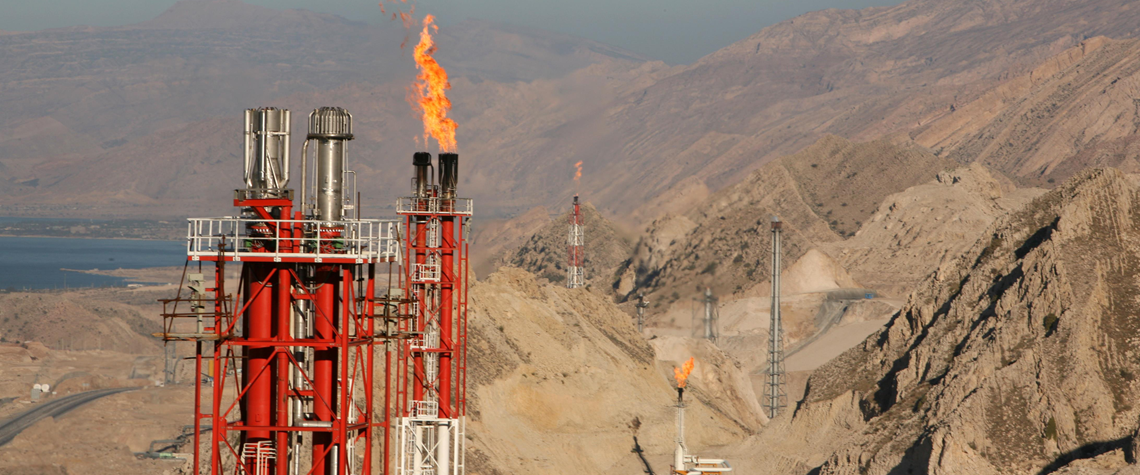
Iran is making good use of its surging natural gas production domestically, but exports remain constrained

Iran’s production of oil and gas has been hit hard by sanctions over the past two decades. Yet the impacts have diverged more recently: while oil has plunged, Iran’s gas production and exports have boomed. Sustaining these gas exports has become key. Despite holding the world’s second-largest reserves, for years gas output fell behind schedule. It was hampered by sanctions that made obtaining equipment difficult and, in the absence of international investors, by mismanagement by local entities. Exports to Turkey rose gradually from 7.8bn m³ in 2010 to 7.9bn m³ in 2018, but were bedevilled by price disputes and winter cut-offs when Iran ran short of gas for its own population. A host of hopef

Also in this section
Indian refiners prove their adaptability
23 January 2026
A strategic pivot away from Russian crude in recent weeks tees up the possibility of improved US-India trade relations
Gas deal keeps Lebanon’s offshore hopes alive
23 January 2026
The signing of a deal with a TotalEnergies-led consortium to explore for gas in a block adjoining Israel’s maritime area may breathe new life into the country’s gas ambitions
Letter from Saudi Arabia: Big oil meets big shovel
Opinion
22 January 2026
As Saudi Arabia pushes mining as a new pillar of its economy, Saudi Aramco is positioning itself at the intersection of hydrocarbons, minerals and industrial policy
Turkey locks in more Azeri gas
22 January 2026
New long-term deal is latest addition to country’s rapidly evolving supply portfolio as it eyes role as regional gas hub

Share PDF with colleagues

COPYRIGHT NOTICE: PDF sharing is permitted internally for Petroleum Economist Gold Members only. Usage of this PDF is restricted by <%= If(IsLoggedIn, User.CompanyName, "")%>’s agreement with Petroleum Economist – exceeding the terms of your licence by forwarding outside of the company or placing on any external network is considered a breach of copyright. Such instances are punishable by fines of up to US$1,500 per infringement
Send

Forward article Link

Send
Sign Up For Our Newsletter
Project Data
Maps
Podcasts
Social Links
Featured Video
Home
  • About us
  • Subscribe
  • Reaching your audience
  • PE Store
  • Terms and conditions
  • Contact us
  • Privacy statement
  • Cookies
  • Sitemap
All material subject to strictly enforced copyright laws © 2025 The Petroleum Economist Ltd
Cookie Settings
;

Search
