


The diverging fortunes of Africa’s crude kings
Profound differences in governance style will impact the speed and development of future energy projects across Angola and Nigeria
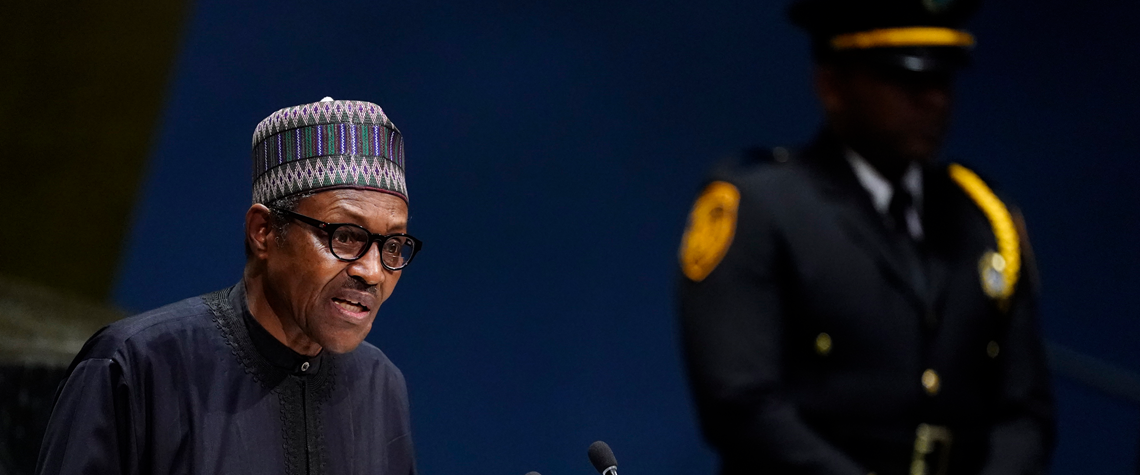
The 2014 oil price collapse hit Nigeria and Angola hard. Successive years without final investment decisions (FIDs) left sub-Saharan Africa’s top two oil producers confronting maturing fields and declining production. In Nigeria, president Muhammadu Buhari has done little to rekindle investment since assuming office in 2015—operators now face another three years of his slow-moving administration. By contrast, Angola’s head of state, Joao Lourenco, was quick to enlist the support of oil majors after assuming power in September 2017. The countries’ trajectories will continue to diverge in 2020 as Lourenco’s reforms reap rewards and Buhari continues to dither. Regulatory reforms Key to revivin

Also in this section
13 March 2026
Brussels is again weighing a cap on gas prices amid the Hormuz crisis, but the measure could backfire by deterring the LNG cargoes Europe urgently needs
12 March 2026
Emergency oil stocks provide a last line of defence to oil market shocks, so the IEA’s unprecedented 400m bl release represents something of a double-edged sword
12 March 2026
LPG could rapidly expand access to clean cooking across Africa and prevent hundreds of thousands of deaths from indoor air pollution each year, but infrastructure shortages and regulatory barriers are slowing investment and market growth
11 March 2026
Missiles over Dubai and disruption in Hormuz are testing the emirate’s reputation—and shaking the energy hub at the centre of the Gulf economy


