


Biden’s nuclear redemption
Domestic nuclear energy policy may be the president-elect’s best opportunity to make immediate strides towards net-zero
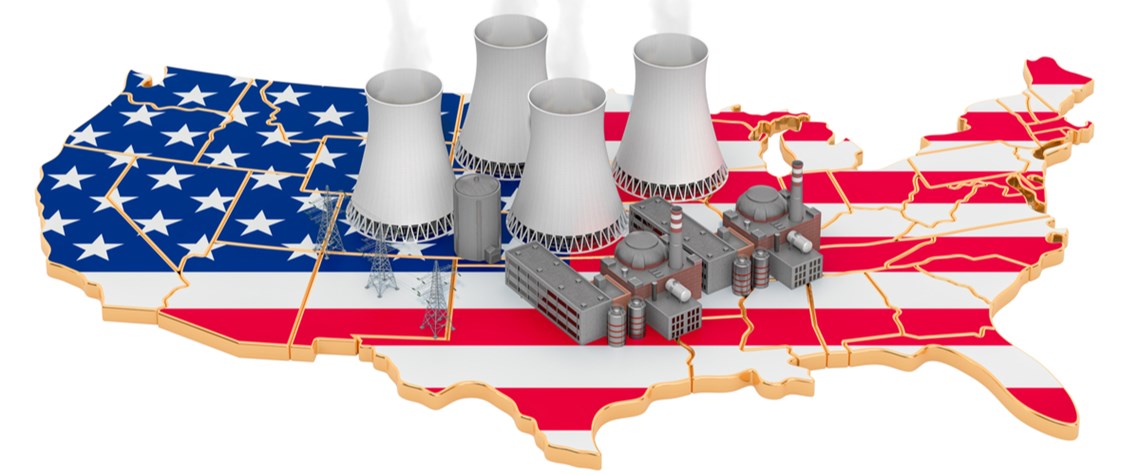
The US will again resume efforts to combat global climate change after four years of scepticism from the Trump administration in particular and Republicans more generally. President-elect Joe Biden has pledged to rejoin the Paris Agreement on day one of his administration, before launching a $2tn green energy revolution aimed at achieving net-zero emissions by 2050. But with the Senate likely to fall under the control of the Republicans, blocking aspects of Biden’s more progressive sales pitch, domestic nuclear energy may emerge as a rare case of low-carbon energy compromise between the two parties. “It is unlikely that a Republican-controlled Senate will slow activities underway in the nucl

Also in this section
5 March 2026
Gas is a central pillar of Colombia’s energy system, but declining production poses a significant challenge, and LNG will be increasingly needed as a stopgap. A recent major offshore gas discovery offers hope, but policy improvements are also required, Camilo Morales, secretary general of Naturgas, the Colombian gas association, tells Petroleum Economist
4 March 2026
The continent’s inventories were already depleted before conflict erupted in the Middle East, causing prices to spike ahead of the crucial summer refilling season
4 March 2026
The US president has repeatedly promised to lower gasoline prices, but this ambition conflicts with his parallel aim to increase drilling and could be upended by his war against Iran
4 March 2026
With the Strait of Hormuz effectively closed following US-Israel strikes and Iran’s retaliatory escalation, Fujairah has become the region’s critical pressure release valve—and is now under serious threat


