


Brexit trial by fire
UK energy sector faces significant challenges uncoupling from the EU after decades of codependency
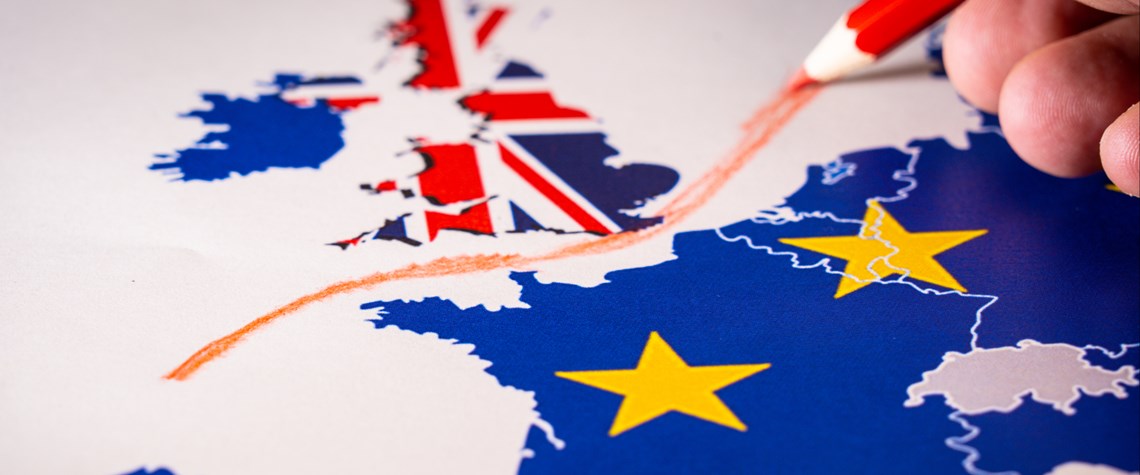
The UK’s and the EU’s energy systems are closely linked—physically, through interconnectors, and also through a backdrop of common standards, regulations and financing. Disconnecting the two systems will, though, have a bigger impact on the UK. While the Brexit transition period will end in December 2020 with or without a trade agreement, the energy sector is unlikely to be affected significantly by a deal per se, given the indications that it would be relatively shallow. But the sector will be influenced over the next few years by the political mood music that reverberates from the final agreement. The UK is dependent on energy imports, with an overall 35pc of net energy imported. This is s

Also in this section
2 April 2026
Alongside a rapid continued build-out of renewables, China’s latest five-year plan stresses the value of domestic hydrocarbon production for energy security and calls for increased Russian gas imports
2 April 2026
The government is taking important steps to revive domestic production, lift investment and benefit from the geopolitical crisis even if more needs to be done in the longer term
1 April 2026
Golden Pass’s startup offers QatarEnergy a timely boost but may also force a difficult choice between honouring disrupted contracts and capitalising on soaring spot LNG prices
1 April 2026
It is not a case of if or when, but the length and magnitude of economic damage from elevated oil prices


