


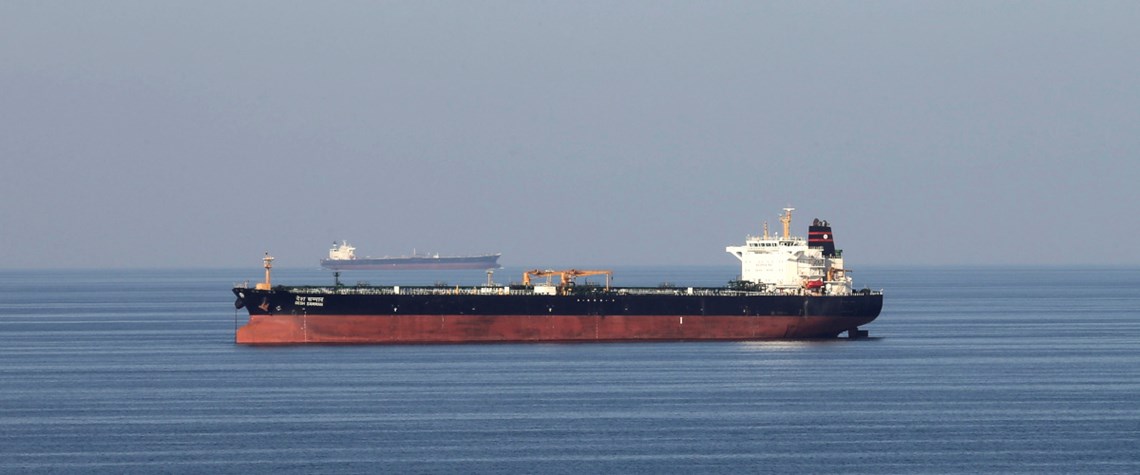
An oil tanker in the Strait of Hormuz
Hormuz threats lose their sting
As Gulf states progress bypass projects, time runs down on Iran’s sabre-rattling
The Strait of Hormuz is the world’s key oil chokepoint, with more than 20pc of global crude demand passing through the waterway each day. Repeated threats by Iran over the past decade to close its shipping lanes have thus proven headline-grabbing. Should it risk doing so, the likely result would be a material spike in oil prices as Mid-East Gulf supply was constrained. The logical next step would be swift intervention, almost certainly of a military nature, to remove any blockage if possible. While the threat has somewhat subsided over the last few years, last month Iran’s deputy commander of political affairs, General Yadollah Javani, warned that, if there was a need to close the strait, Ir

Also in this section
13 March 2026
Brussels is again weighing a cap on gas prices amid the Hormuz crisis, but the measure could backfire by deterring the LNG cargoes Europe urgently needs
12 March 2026
Emergency oil stocks provide a last line of defence to oil market shocks, so the IEA’s unprecedented 400m bl release represents something of a double-edged sword
12 March 2026
LPG could rapidly expand access to clean cooking across Africa and prevent hundreds of thousands of deaths from indoor air pollution each year, but infrastructure shortages and regulatory barriers are slowing investment and market growth
11 March 2026
Missiles over Dubai and disruption in Hormuz are testing the emirate’s reputation—and shaking the energy hub at the centre of the Gulf economy


