


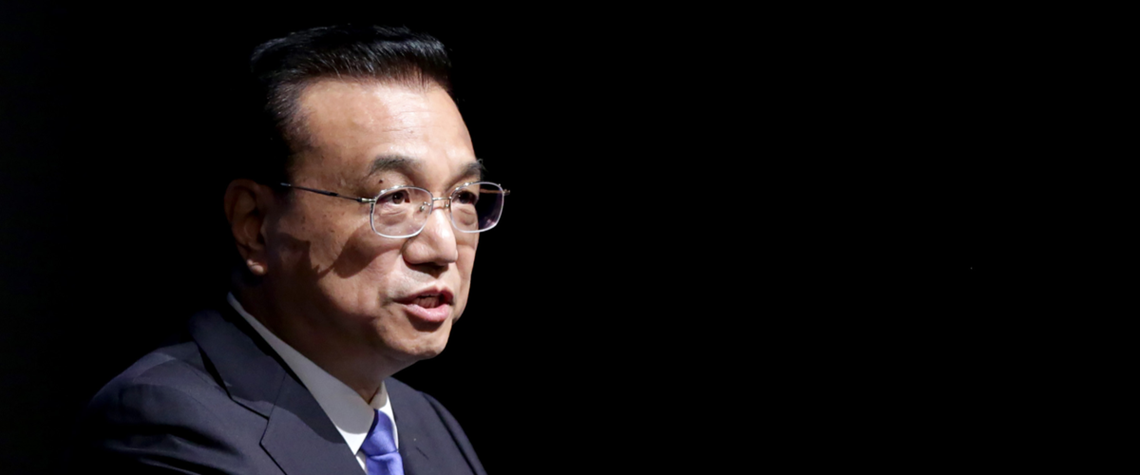
Chinese premier Li Keqiang
Beijing strives to balance security and decarbonisation
The ongoing global energy crunch underlines the difficult task facing China’s leaders in balancing energy supply security while reaching net zero in the next 40 years
The extensive power cuts in China have roiled industry over the past two months and come amid energy shortfalls in Europe, India, Pakistan and Brazil. Elsewhere power prices in Japan and South Korea have climbed in recent weeks to reflect the spike in costs for oil, LNG and coal. China’s power shortages are largely rooted in high coal prices and inflexible electricity tariffs that have not been able to reflect the rising generation costs. Renewables and China’s net-zero carbon goal have not been blamed, but the debacle has renewed a debate in policy circles over whether the near-term priority should be energy security—which would include greater production of fossil fuels alongside renewable

Also in this section
13 March 2026
Brussels is again weighing a cap on gas prices amid the Hormuz crisis, but the measure could backfire by deterring the LNG cargoes Europe urgently needs
12 March 2026
Emergency oil stocks provide a last line of defence to oil market shocks, so the IEA’s unprecedented 400m bl release represents something of a double-edged sword
12 March 2026
LPG could rapidly expand access to clean cooking across Africa and prevent hundreds of thousands of deaths from indoor air pollution each year, but infrastructure shortages and regulatory barriers are slowing investment and market growth
11 March 2026
Missiles over Dubai and disruption in Hormuz are testing the emirate’s reputation—and shaking the energy hub at the centre of the Gulf economy


