


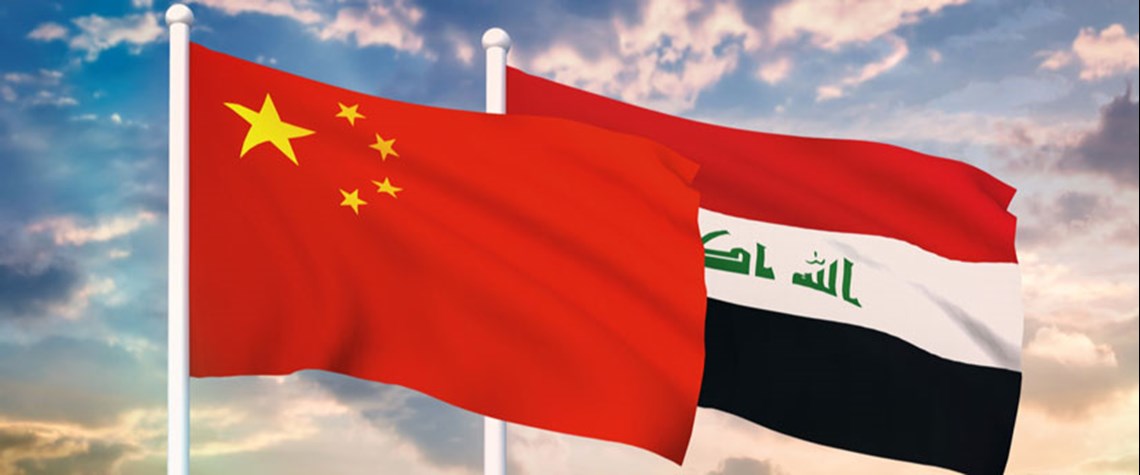
China is becoming more involved in Iraq, but both sides are still cautious of the other
Iraq’s China embrace not without risks
The Middle Eastern state’s welcome of Chinese investment is understandable, but not unproblematic
Majors—notably BP, Shell and ExxonMobil—are retreating from Iraq given its challenging financial environment, although not solely because of it. The country, which has struggled to attract new upstream investment from large firms in recent years, has come to rely on a shrinking number of companies to operate its largest fields. “All major investors are either looking for another market or for another partner,” says Iraqi oil minister Ihsan Ismael. Why does this matter? The twin shocks of low oil prices and the Covid-19 pandemic caused Iraq’s GDP to contract by 10.4pc in 2020 and led to a painful currency devaluation. With oil export revenues accounting for over 90pc of the state budget and I

Also in this section
28 April 2026
The key energy player faces balancing regional routes, political complexities, and creating a clear strategic vision for energy security
24 April 2026
The European Commission’s response to the Middle East crisis is to double down on its transition strategy, with plans for a new target on electrification
24 April 2026
A major new discovery by Eni and BP that can likely be fast-tracked to production is welcome news for Egypt as it scrambles to plug a widening supply gap and deal with rising import risks
24 April 2026
Countries in the region are turning to the cleaner-burning fuel for power generation, driving demand for imports


