


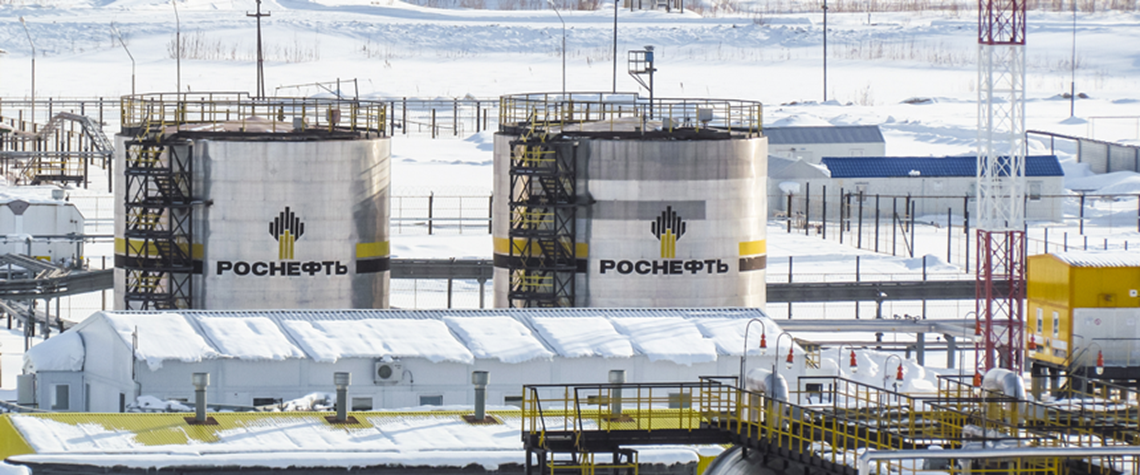
BP will exit its stake in Rosneft
BP, Equinor and Shell heap pressure on peers
The firms’ Russian exits will make remaining in the country difficult to justify for other IOCs
The decisions by BP, Shell and Norway’s Equinor to quit their Russian oil and gas businesses in response to the invasion of Ukraine have seen continuing licence to operate placed above immediate economics. It will now be very difficult for other IOCs, particularly those based in an angry and almost uniformly pro-Ukraine Europe, to resist calls for them to follow suit, even if they might be more reluctant to do so. BP will exit its stake in Russian oil company Rosneft, while Norway’s Equinor is to start withdrawing from its joint ventures (JVs) in Russia—which arose mainly from a 2012 cooperation agreement with Rosneft and had a value of c.$1.2bn at the end of 2021, according to Spanish bank

Also in this section
13 March 2026
Brussels is again weighing a cap on gas prices amid the Hormuz crisis, but the measure could backfire by deterring the LNG cargoes Europe urgently needs
12 March 2026
Emergency oil stocks provide a last line of defence to oil market shocks, so the IEA’s unprecedented 400m bl release represents something of a double-edged sword
12 March 2026
LPG could rapidly expand access to clean cooking across Africa and prevent hundreds of thousands of deaths from indoor air pollution each year, but infrastructure shortages and regulatory barriers are slowing investment and market growth
11 March 2026
Missiles over Dubai and disruption in Hormuz are testing the emirate’s reputation—and shaking the energy hub at the centre of the Gulf economy


