


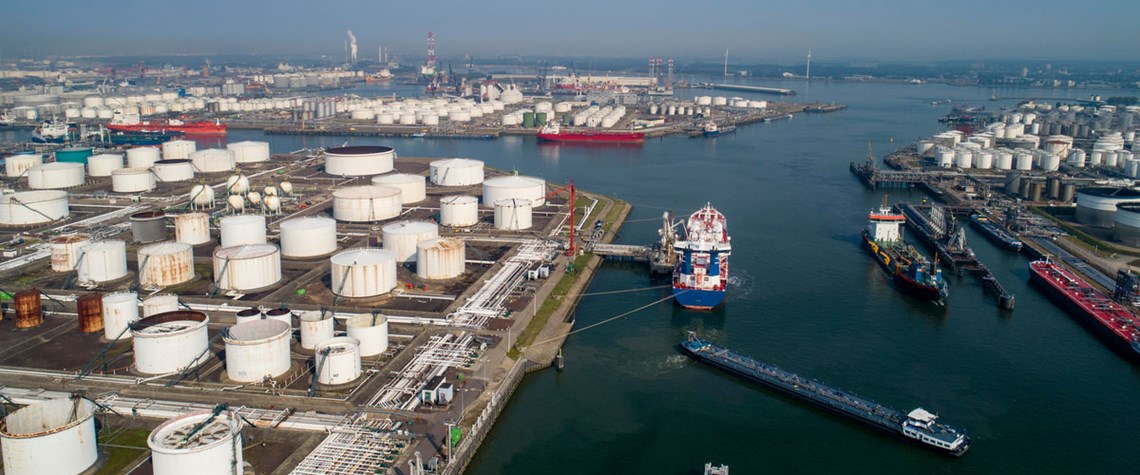
Port of Rotterdam
Letter from Western Europe: Europe’s balancing act
As tragedy continues to unfold in Ukraine, European leaders hasten to balance security, affordability and sustainability in the energy sector
An energy crunch was already underway before war erupted in Eastern Europe. But it took the potential loss of Russian oil and gas to drive home the fragility of Europe’s energy security situation. Western hesitation over strict sanctions on Russian energy is understandable in the context of Europe’s dependence on it. However, we are already halfway down the path to lower Russian oil outflows, and that already heralds higher consumer prices even if the war were to end today. European refineries are fed not only by substantial seaborne shipments of Russian crude, but also directly via a network of large pipelines that run through Ukraine and Belarus to Germany and Central and Eastern Europe. T

Also in this section
13 March 2026
Brussels is again weighing a cap on gas prices amid the Hormuz crisis, but the measure could backfire by deterring the LNG cargoes Europe urgently needs
12 March 2026
Emergency oil stocks provide a last line of defence to oil market shocks, so the IEA’s unprecedented 400m bl release represents something of a double-edged sword
12 March 2026
LPG could rapidly expand access to clean cooking across Africa and prevent hundreds of thousands of deaths from indoor air pollution each year, but infrastructure shortages and regulatory barriers are slowing investment and market growth
11 March 2026
Missiles over Dubai and disruption in Hormuz are testing the emirate’s reputation—and shaking the energy hub at the centre of the Gulf economy


