


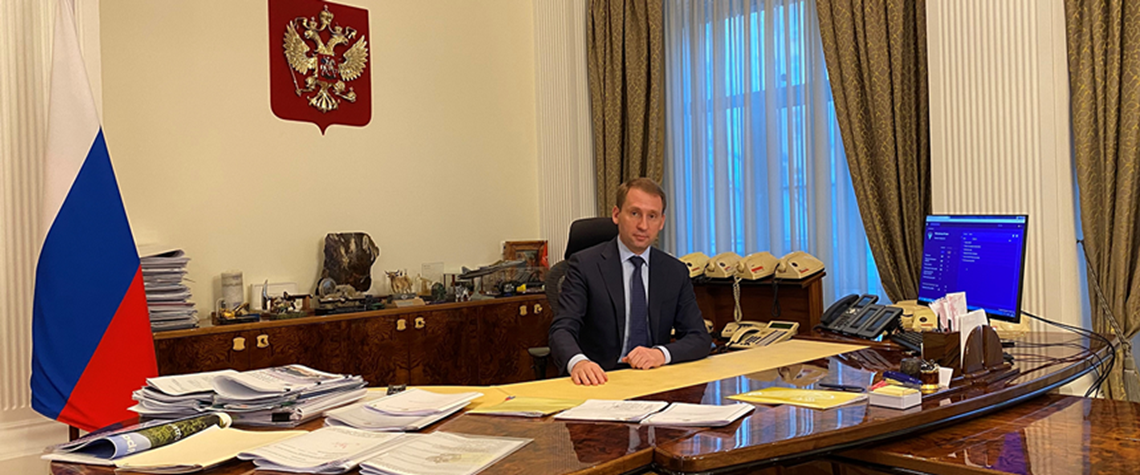
Alexander Kozlov, Russian minister for natural resources and environmental policy
Russia mulls fiscal changes to boost less-advantaged oil
Last year saw reserve replacement at over 100pc. But there are concerns this is unsustainable without better incentives
The Russian government is discussing options with its largest oil producers to amend the country’s fiscal system to stimulate development of fields with difficult geology and those with heavy crude output. These more challenging deposits are viewed as key to supporting oil reserve replacement as ageing existing sites face decline over the next decades. Russia government officials reported in December that growth in crude and condensate reserves in 2021 was more than 628mn t. The increase was largely achieved through additional appraisal work over the last 12 months on existing producing fields. With overall production levels in 2021 estimated at 517mn t, Russia has achieved reserve replaceme

Also in this section
5 March 2026
Gas is a central pillar of Colombia’s energy system, but declining production poses a significant challenge, and LNG will be increasingly needed as a stopgap. A recent major offshore gas discovery offers hope, but policy improvements are also required, Camilo Morales, secretary general of Naturgas, the Colombian gas association, tells Petroleum Economist
4 March 2026
The continent’s inventories were already depleted before conflict erupted in the Middle East, causing prices to spike ahead of the crucial summer refilling season
4 March 2026
The US president has repeatedly promised to lower gasoline prices, but this ambition conflicts with his parallel aim to increase drilling and could be upended by his war against Iran
4 March 2026
With the Strait of Hormuz effectively closed following US-Israel strikes and Iran’s retaliatory escalation, Fujairah has become the region’s critical pressure release valve—and is now under serious threat


