


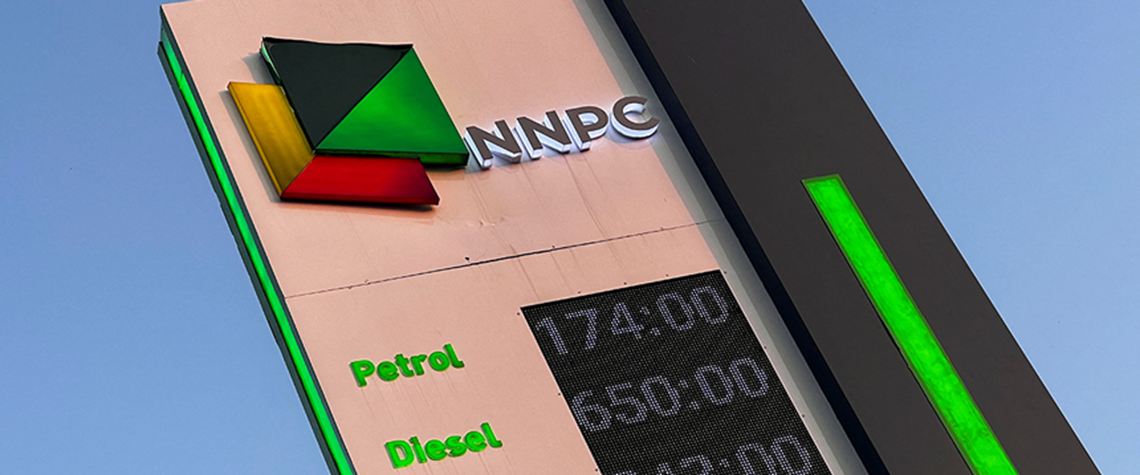
NNPC’s latest accounts make for grim reading
Subsidies push Nigeria to the brink
Controversial payments have turned high oil prices into a curse
Nigeria’s status as a major oil producer means it should be enjoying a boom. Instead, 2022 has turned into a year of economic crisis. GDP growth is lagging the African average, inflation has soared to the highest level in 17 years and state-owned NNPC has not contributed a single naira to the government’s coffers. This paradoxical situation for a significant producer and exporter of oil stems from the fact that Nigeria has almost no domestic refining capacity. Imports of refined petroleum products are subsidised via NNPC—meaning consumers pay less than half the price they would be charged if subsidies were removed. The massive cost of subsidising fuel imports comes at a time when oil product

Also in this section
13 March 2026
Brussels is again weighing a cap on gas prices amid the Hormuz crisis, but the measure could backfire by deterring the LNG cargoes Europe urgently needs
12 March 2026
Emergency oil stocks provide a last line of defence to oil market shocks, so the IEA’s unprecedented 400m bl release represents something of a double-edged sword
12 March 2026
LPG could rapidly expand access to clean cooking across Africa and prevent hundreds of thousands of deaths from indoor air pollution each year, but infrastructure shortages and regulatory barriers are slowing investment and market growth
11 March 2026
Missiles over Dubai and disruption in Hormuz are testing the emirate’s reputation—and shaking the energy hub at the centre of the Gulf economy


