


Europe's black and green stuff
Europe's energy supply mix is changing again. It won’t be good news for the climate targets
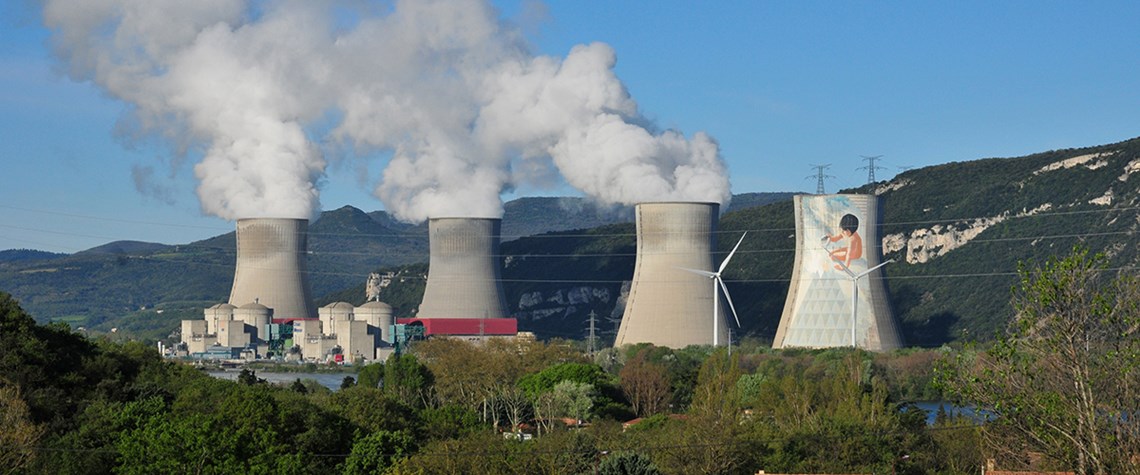
From the French love affair with the atom to the nuclear phase-out in Germany, from the carbon-free current in Sweden to the 80% coal electricity mix of Poland, the EU's energy market, despite all the efforts to build common policies, is still characterised as much by its variety as its commonality. This is not about to change, but the balance will probably shift as the three biggest European economies review their energy choices. Germany became the standard-bearer for energy transition in 2000 when the red-green coalition decided to replace nuclear power with renewable energy in 20 years. Germany's nuclear phase-out is now planned to end in 2022 and is likely to succeed: 11 of the 19 reacto

Also in this section
13 March 2026
Brussels is again weighing a cap on gas prices amid the Hormuz crisis, but the measure could backfire by deterring the LNG cargoes Europe urgently needs
12 March 2026
Emergency oil stocks provide a last line of defence to oil market shocks, so the IEA’s unprecedented 400m bl release represents something of a double-edged sword
12 March 2026
LPG could rapidly expand access to clean cooking across Africa and prevent hundreds of thousands of deaths from indoor air pollution each year, but infrastructure shortages and regulatory barriers are slowing investment and market growth
11 March 2026
Missiles over Dubai and disruption in Hormuz are testing the emirate’s reputation—and shaking the energy hub at the centre of the Gulf economy


