


Iran’s downstream braces for the challenge
Iran’s downstream sector is almost as important for the country’s economic and strategic goals as the headline-hogging upstream
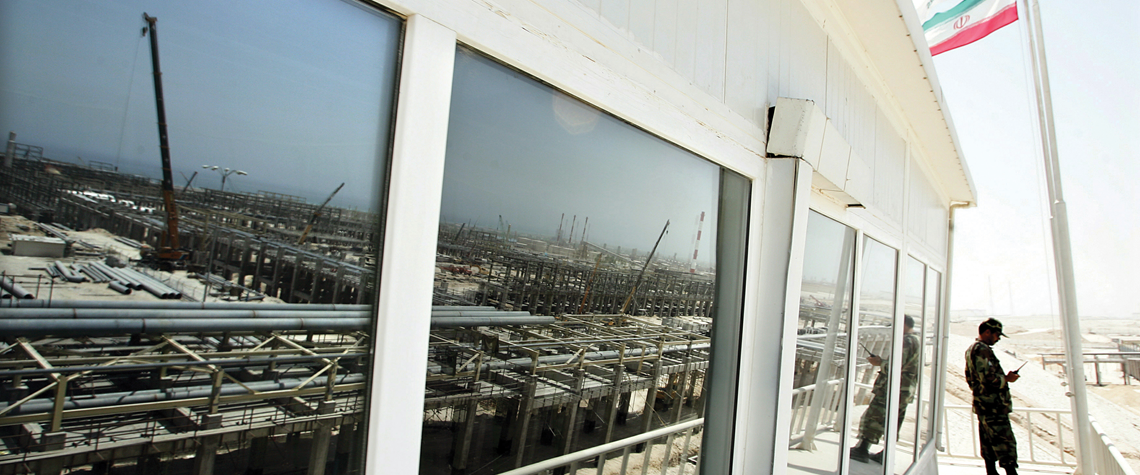
The Iranian downstream energy industry faces many of the same problems as its upstream counterpart - a lack of finance and foreign investment, and difficulty in accessing equipment and technology, largely but not entirely because of sanctions. The country's five-year energy plan post-sanctions involved spending about $70bn in petrochemicals and $14bn in refinery upgrades. The petrochemicals strategy is focused largely on making the most of Iran's giant, low-cost production of gas and associated natural gas liquids (NGLs) production. Iran's refining sector development has three key, related aims—to increase the output of lighter products; to minimise the yield of low-value fuel oil; and to el

Also in this section
5 March 2026
Gas is a central pillar of Colombia’s energy system, but declining production poses a significant challenge, and LNG will be increasingly needed as a stopgap. A recent major offshore gas discovery offers hope, but policy improvements are also required, Camilo Morales, secretary general of Naturgas, the Colombian gas association, tells Petroleum Economist
4 March 2026
The continent’s inventories were already depleted before conflict erupted in the Middle East, causing prices to spike ahead of the crucial summer refilling season
4 March 2026
The US president has repeatedly promised to lower gasoline prices, but this ambition conflicts with his parallel aim to increase drilling and could be upended by his war against Iran
4 March 2026
With the Strait of Hormuz effectively closed following US-Israel strikes and Iran’s retaliatory escalation, Fujairah has become the region’s critical pressure release valve—and is now under serious threat


