


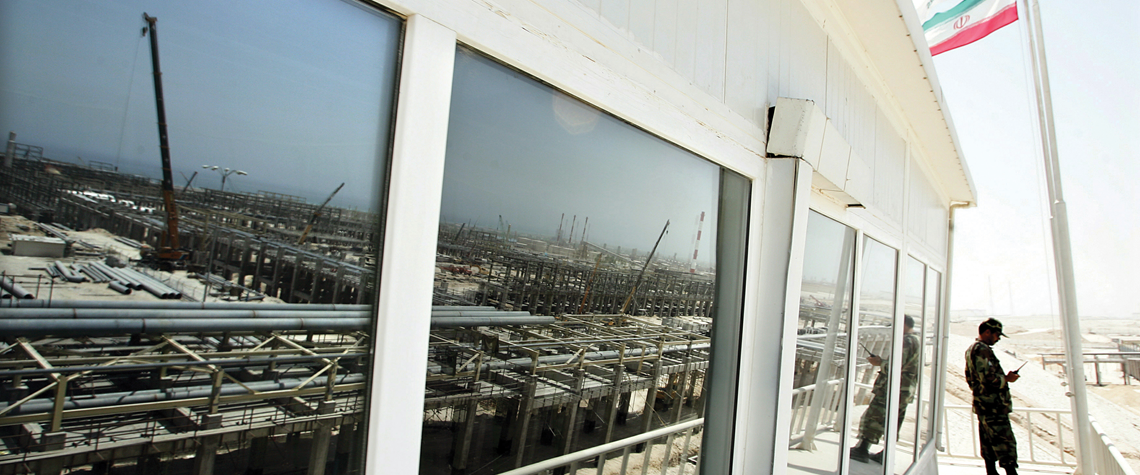
Iran’s downstream braces for the challenge
Iran’s downstream sector is almost as important for the country’s economic and strategic goals as the headline-hogging upstream
The Iranian downstream energy industry faces many of the same problems as its upstream counterpart - a lack of finance and foreign investment, and difficulty in accessing equipment and technology, largely but not entirely because of sanctions. The country's five-year energy plan post-sanctions involved spending about $70bn in petrochemicals and $14bn in refinery upgrades. The petrochemicals strategy is focused largely on making the most of Iran's giant, low-cost production of gas and associated natural gas liquids (NGLs) production. Iran's refining sector development has three key, related aims—to increase the output of lighter products; to minimise the yield of low-value fuel oil; and to el

Also in this section
16 April 2026
Demand for oil is falling because supply cannot meet it, not because it is no longer required
16 April 2026
The continent has an immediate opportunity to make the most of its energy resources by capturing gas that is currently slipping away
15 April 2026
The continent is seeing political pushback to climate plans, corporate reassessment of transition goals and rising supply risk in a fractured global order
15 April 2026
The Middle East energy crisis may turn out to be pivotal to the industry’s long-term expansion, but significant challenges still stand in its way


