


Transport fuel’s day of reckoning
Gulf refiners wonder how to cope with new green standards for shipping and aviation fuel
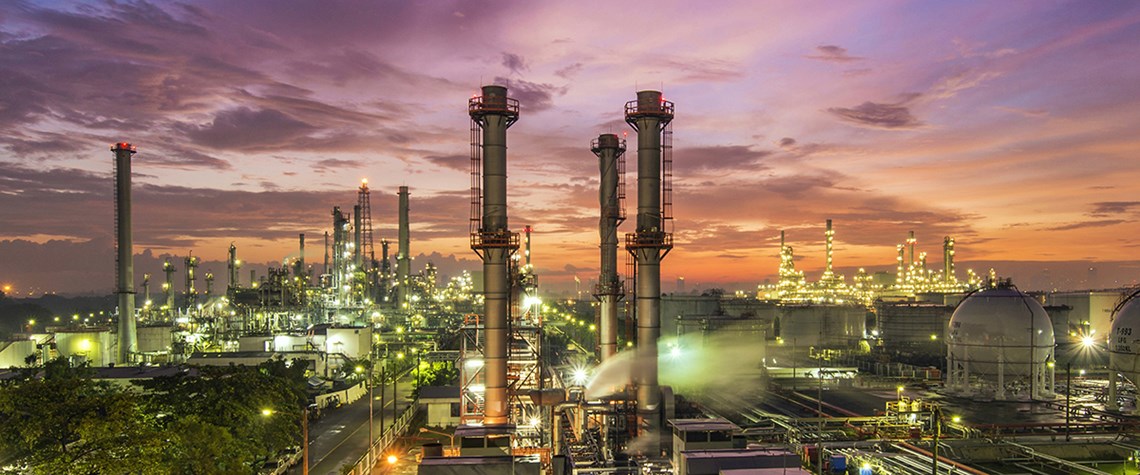
A global clampdown on two of the most public scapegoats to the acceleration of climate change—shipping and aviation—is putting Gulf refiners' portfolios to the test. The International Maritime Organisation's (IMO) 0.5% sulphur cap on bunker fuels, set to begin from 1 January 2020, is followed by the International Air Transport Association's (IATA) Carbon Offsetting Reduction Scheme for International Aviation (CORSIA) from 2021. Both are milestones after decades of toing-and-froing between environmentalists and industry. As the Gulf is home to the world's second-largest bunkering hub, the UAE's Port of Fujairah, and is one of the world's fastest-growing aviation hubs, could a shortage of post

Also in this section
13 March 2026
Brussels is again weighing a cap on gas prices amid the Hormuz crisis, but the measure could backfire by deterring the LNG cargoes Europe urgently needs
12 March 2026
Emergency oil stocks provide a last line of defence to oil market shocks, so the IEA’s unprecedented 400m bl release represents something of a double-edged sword
12 March 2026
LPG could rapidly expand access to clean cooking across Africa and prevent hundreds of thousands of deaths from indoor air pollution each year, but infrastructure shortages and regulatory barriers are slowing investment and market growth
11 March 2026
Missiles over Dubai and disruption in Hormuz are testing the emirate’s reputation—and shaking the energy hub at the centre of the Gulf economy


