


NGVs battle zero-emissions rivals in EU transport sector
Fuelling vehicles with natural gas is often cost-effective, but a push to use even greener alternatives is holding the sector back
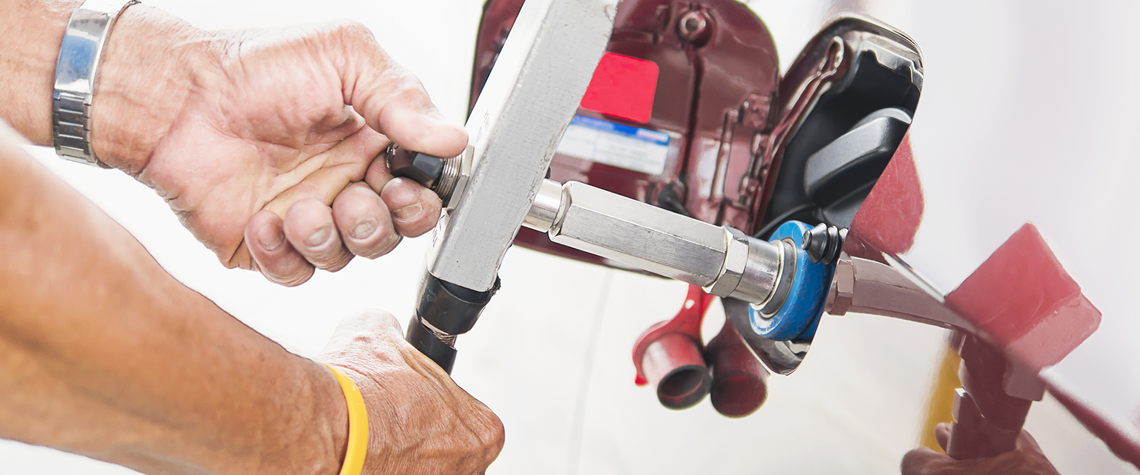
The use of natural gas in Europe's transport sector has slowed in 2019, reversing a previous upward trend, as competition with zero-emissions vehicles intensifies. The best growth prospects now lie in the commercial vehicles segment, industry observers say. New registrations of natural gas vehicles (NGVs) in the EU fell 50pc year-on-year to 9,546 in Q1 2019, according to European automobile manufacturers' association Acea. That contrasts with healthy growth seen in 2018, when new NGVs registrations were up 31.4pc year-on-year to 65,092. Nevertheless, NGVs still have a strong and growing appeal. "A greater focus on environmental emission limits supports the increasing penetration of natural g

Also in this section
5 March 2026
Gas is a central pillar of Colombia’s energy system, but declining production poses a significant challenge, and LNG will be increasingly needed as a stopgap. A recent major offshore gas discovery offers hope, but policy improvements are also required, Camilo Morales, secretary general of Naturgas, the Colombian gas association, tells Petroleum Economist
4 March 2026
The continent’s inventories were already depleted before conflict erupted in the Middle East, causing prices to spike ahead of the crucial summer refilling season
4 March 2026
The US president has repeatedly promised to lower gasoline prices, but this ambition conflicts with his parallel aim to increase drilling and could be upended by his war against Iran
4 March 2026
With the Strait of Hormuz effectively closed following US-Israel strikes and Iran’s retaliatory escalation, Fujairah has become the region’s critical pressure release valve—and is now under serious threat


