


IMO 2020 to beckon in a new reality
The new regulations are poised to change shipping markets forever. Some participants may handle the new regulatory environment better than others
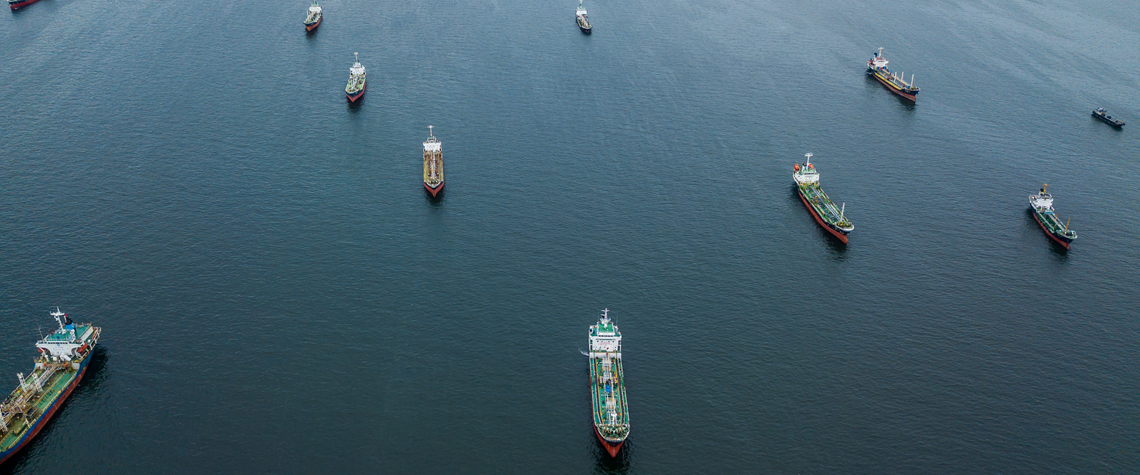
IMO 2020 will radically change shipping market supply/demand dynamics. The basis of the new regulations is simple–to reduce sulphur emissions by tightening the requirements around allowable fuels any given seagoing vessel can burn. In technical terms, this means cutting sulphur content to 0.5pc, down from 3.5pc at present. High sulphur fuel oil (HSFO) demand will, in part, be forced to shift towards cleaner alternatives, namely marine gasoil and low sulphur fuel oil (LSFO). LNG is also an option, albeit uptake will be limited. Advantage West Africa A barrel of crude oil is associated with a wide variety of classifications that can range from light-sweet (thin, low sulphur) to heavy-sour (d

Also in this section
13 March 2026
Brussels is again weighing a cap on gas prices amid the Hormuz crisis, but the measure could backfire by deterring the LNG cargoes Europe urgently needs
12 March 2026
Emergency oil stocks provide a last line of defence to oil market shocks, so the IEA’s unprecedented 400m bl release represents something of a double-edged sword
12 March 2026
LPG could rapidly expand access to clean cooking across Africa and prevent hundreds of thousands of deaths from indoor air pollution each year, but infrastructure shortages and regulatory barriers are slowing investment and market growth
11 March 2026
Missiles over Dubai and disruption in Hormuz are testing the emirate’s reputation—and shaking the energy hub at the centre of the Gulf economy


