


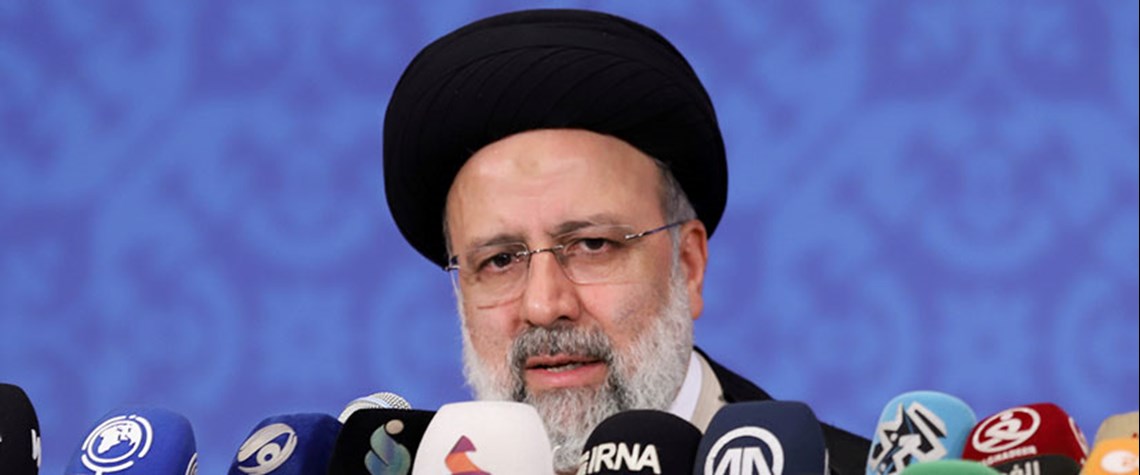
Iranian president Ebrahim Raisi at a news conference
Economic realities may force Iran to the table
Hardline rhetoric and positions apparently further apart than ever may obscure appetite for a deal
Iran and the P5+1—the US, the UK, France, China, Russia and Germany—remain no closer to a nuclear deal after six rounds of talks. It is difficult not to feel that previous cautious optimism may be ebbing away as we enter a seventh round. The key question, though, may be whether Iran can afford not to reach an agreement. The election of Ebrahim Raisi, mooted as a potential successor to the ailing 82-year-old supreme leader Ayatollah Ali Khamenei, has ushered in a new period in Iranian politics. Unsurprisingly, the alignment of conservative centres of power in Tehran has irked diplomats in Washington. Tit-for-tat tanker attacks in the Mid-East Gulf in recent weeks have also escalated—bringing

Also in this section
13 March 2026
Brussels is again weighing a cap on gas prices amid the Hormuz crisis, but the measure could backfire by deterring the LNG cargoes Europe urgently needs
12 March 2026
Emergency oil stocks provide a last line of defence to oil market shocks, so the IEA’s unprecedented 400m bl release represents something of a double-edged sword
12 March 2026
LPG could rapidly expand access to clean cooking across Africa and prevent hundreds of thousands of deaths from indoor air pollution each year, but infrastructure shortages and regulatory barriers are slowing investment and market growth
11 March 2026
Missiles over Dubai and disruption in Hormuz are testing the emirate’s reputation—and shaking the energy hub at the centre of the Gulf economy


