


The market is less reactive to gepolitical threads than it used to be
Oil traders focus on fundamentals, not geopolitics
Tolerance for perceived political risk has expanded, but such complacency could be dangerous
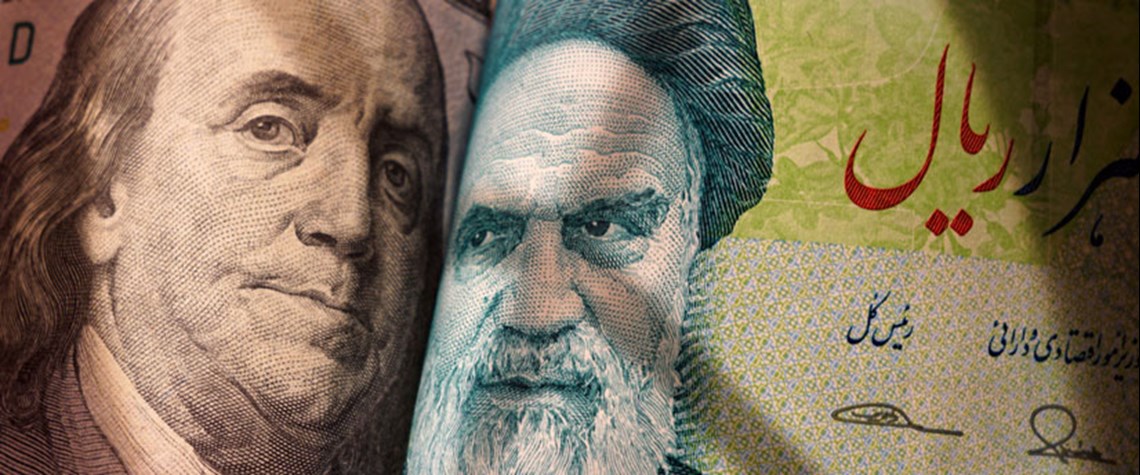
Gone are the days when a single incident involving an oil tanker carrying Saudi Arabian or other Mid-East Gulf crude could send oil prices soaring. Attacks on Saudi oil facilities have become an almost monthly affair recently, with minimal price impact. The market has become substantially more inured to geopolitical threats, after a year where the demand impact of global lockdowns has dominated traders’ thoughts. Largely positive developments such as the Abraham Accords and nuclear talks with Iran have added to a confidence that political risk is not a market-mover. But the consequences if these assumptions prove optimistic could be explosive. Oil markets have become less efficient in absorb

Also in this section
13 March 2026
Brussels is again weighing a cap on gas prices amid the Hormuz crisis, but the measure could backfire by deterring the LNG cargoes Europe urgently needs
12 March 2026
Emergency oil stocks provide a last line of defence to oil market shocks, so the IEA’s unprecedented 400m bl release represents something of a double-edged sword
12 March 2026
LPG could rapidly expand access to clean cooking across Africa and prevent hundreds of thousands of deaths from indoor air pollution each year, but infrastructure shortages and regulatory barriers are slowing investment and market growth
11 March 2026
Missiles over Dubai and disruption in Hormuz are testing the emirate’s reputation—and shaking the energy hub at the centre of the Gulf economy


