


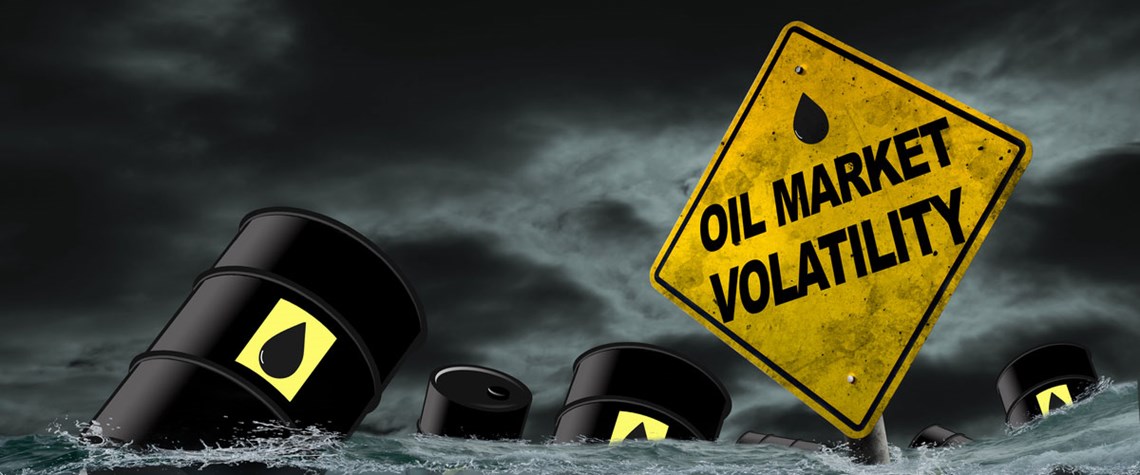
The oil market faces uncertainty around the extent of lost supply from Russia
The oil market’s three key questions
The extent of lost Russian supply, what can step in and what happens to demand
Russia’s invasion of Ukraine, a Western response that has surprised President Putin in its vehemence, and a combination of bans on importing Russian barrels and buyers stepping away from Urals due to political and/or societal pressure has roiled the oil market. Since Russia’s late-February aggression, the benchmark Ice Brent contract has jumped from c.$95/bl to highs of almost $130/bl, gyrated back to sub-$100/bl, gone back up to $120/bl+ and is now trading around $110/bl. The obvious driver of this volatility is uncertainty, with a myriad of moving parts that are nigh-on impossible to predict either in quantity or duration. Late-March peace talks between Russia and Ukraine proved more posit

Also in this section
6 March 2026
The March 2026 issue of Petroleum Economist is out now!
6 March 2026
After Europe’s rapid buildout of floating LNG import capacity, Exmar CEO Carl-Antoine Saverys says future growth in floating gas infrastructure will increasingly be driven by developing markets as lower prices, rising energy demand and the need to replace coal unlock new opportunities for unconventional and tailor-made solutions
5 March 2026
Gas is a central pillar of Colombia’s energy system, but declining production poses a significant challenge, and LNG will be increasingly needed as a stopgap. A recent major offshore gas discovery offers hope, but policy improvements are also required, Camilo Morales, secretary general of Naturgas, the Colombian gas association, tells Petroleum Economist
4 March 2026
The continent’s inventories were already depleted before conflict erupted in the Middle East, causing prices to spike ahead of the crucial summer refilling season


