


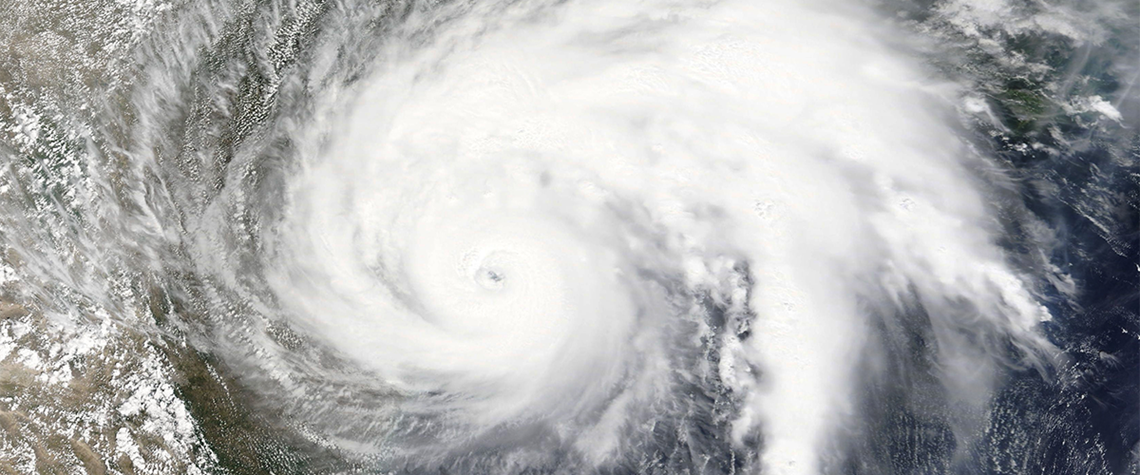
Hurricane Harvey heads towards Houston
US Gulf continues to refine hurricane response
Another Atlantic hurricane season is well underway and expected to peak in September, while the oil and gas industry on the US Gulf Coast continues to watch the weather with caution
Hurricanes including Katrina, Harvey and Ida have caused extensive damage and disruption to the oil and gas industry on the US Gulf Coast over the past 20 years, and future storms pose a significant risk. Given the uncertainty over how much damage any one hurricane could cause, and the fact that record-breaking storms have been increasingly common in recent years, it is difficult for the industry to know what to expect. On the other hand, weather forecasting is becoming more accurate, and with examples of past damage serving as lessons, the sector finds itself in a relatively strong position to manage the risks involved. Part of the challenges lies in the sheer amount of infrastructure—downs

Also in this section
13 March 2026
Brussels is again weighing a cap on gas prices amid the Hormuz crisis, but the measure could backfire by deterring the LNG cargoes Europe urgently needs
12 March 2026
Emergency oil stocks provide a last line of defence to oil market shocks, so the IEA’s unprecedented 400m bl release represents something of a double-edged sword
12 March 2026
LPG could rapidly expand access to clean cooking across Africa and prevent hundreds of thousands of deaths from indoor air pollution each year, but infrastructure shortages and regulatory barriers are slowing investment and market growth
11 March 2026
Missiles over Dubai and disruption in Hormuz are testing the emirate’s reputation—and shaking the energy hub at the centre of the Gulf economy


