


Newsletters | Request Trial | Log in | Advertise | Digital Issue   |   Search
  • Upstream
  • Midstream & Downstream
  • Gas & LNG
  • Trading & Markets
  • Corporate & Finance
  • Geopolitics
  • Podcasts
Search
Related Articles
The curious case of oil-on-water
The market is facing being drowned in excess crude, but one caveat is that a large chunk is due to buyers reluctant to snap up sanctioned barrels
Turkmenistan's pipe dream
Construction of the pipeline in Afghanistan is making tangible progress, but extending it into Pakistan and India remains unrealistic for political reasons
MENA states sharpen their gas focus
The GCC countries and other states in the region are looking to make greater domestic use of gas, both that produced at home and imported volumes
Letter from Azerbaijan: Net-zero strategy to reshape South Caucasus
ExxonMobil’s MOU with SOCAR, unveiled in Washington alongside the peace agreement with Armenia, highlights how the Karabakh net-zero zone is part of a wider strategic realignment
Letter from the Middle East: Iran-Israel war risks dire straits
A blockade of the Strait of Hormuz would have reverberations that would sound around the world
Israel-Iran war imperils Egypt’s energy supply
Egypt’s government was already preparing for potential energy shortages this summer, and the loss of Israeli gas supply has made things worse
The oil risk premium fable
Israel’s attack on Iran caught oil firms with low inventories due to their efforts to protect themselves from falling prices, creating a perfect storm
Azerbaijan enjoys rare upstream FID
BP and partners have reached a $2.9b FID on a new phase at Shah Deniz, but slow progress on other gas projects is attributed to a lack of European support
Iraq seeks alternatives to Iranian gas
The country is facing energy shortfalls this summer amid reduced Iranian gas imports and difficulties leasing an FSRU
Is a Russia-Iran gas deal on the horizon?
Russia has ample spare gas, and Iran needs it, but sanctions and pricing pose steep hurdles.
Kazakhstan Turkmenistan Iran Azerbaijan
Ian Lewis
17 August 2018
Follow @PetroleumEcon
Forward article link
Share PDF with colleagues

Caspian neither a sea nor a lake, apparently

An agreement of sorts has been reached on how to carve up the Caspian

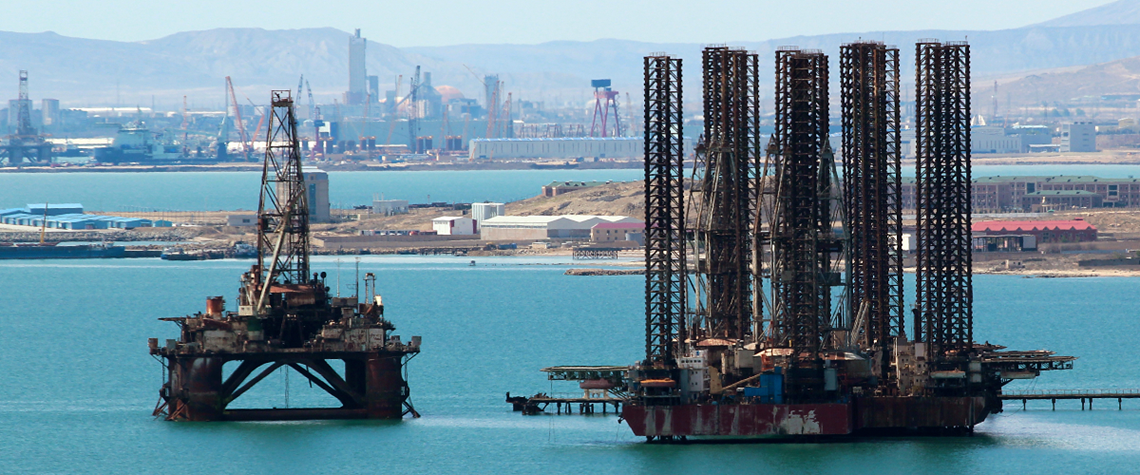
The five countries bordering the Caspian Sea have come up with a fudged definition of its status, which while potentially confusing, has at least broken an impasse over how to divide up its waters and seabed. In doing so it could jolt some stalled oil and gas developments back into life. For years, the nations around the Caspian have haggled over whether the world's largest inland body of water should be classified as a sea or a lake. In the end, following a mid-August meeting in the Kazakh port of Aktau, those countries - Azerbaijan, Iran, Kazakhstan, Russia and Turkmenistan—agreed that it should be classified as neither and be subject to a special set of rules. It's not an academic exercis

Also in this section
Canada’s Asian pivot faces hurdles
12 December 2025
The federal government is working with Alberta to improve the country’s access to Asian markets and reduce dependence on the US, but there are challenges to their plans
Outlook 2026
12 December 2025
The latest edition of our annual Outlook publication, titled 'The shape of energy to come: Creating unique pathways and managing shifting alliances', is available now
New Zealand is back open for business
11 December 2025
The removal of the ban on oil and gas exploration and an overhaul of the system sends all the right messages for energy security, affordability and sustainability
New Zealand’s gas horror story will haunt for years to come
10 December 2025
The economic and environmental cost of the seven-year exploration ban will be felt long after its removal

Share PDF with colleagues

COPYRIGHT NOTICE: PDF sharing is permitted internally for Petroleum Economist Gold Members only. Usage of this PDF is restricted by <%= If(IsLoggedIn, User.CompanyName, "")%>’s agreement with Petroleum Economist – exceeding the terms of your licence by forwarding outside of the company or placing on any external network is considered a breach of copyright. Such instances are punishable by fines of up to US$1,500 per infringement
Send

Forward article Link

Send
Sign Up For Our Newsletter
Project Data
Maps
Podcasts
Social Links
Featured Video
Home
  • About us
  • Subscribe
  • Reaching your audience
  • PE Store
  • Terms and conditions
  • Contact us
  • Privacy statement
  • Cookies
  • Sitemap
All material subject to strictly enforced copyright laws © 2025 The Petroleum Economist Ltd
Cookie Settings
;

Search
