


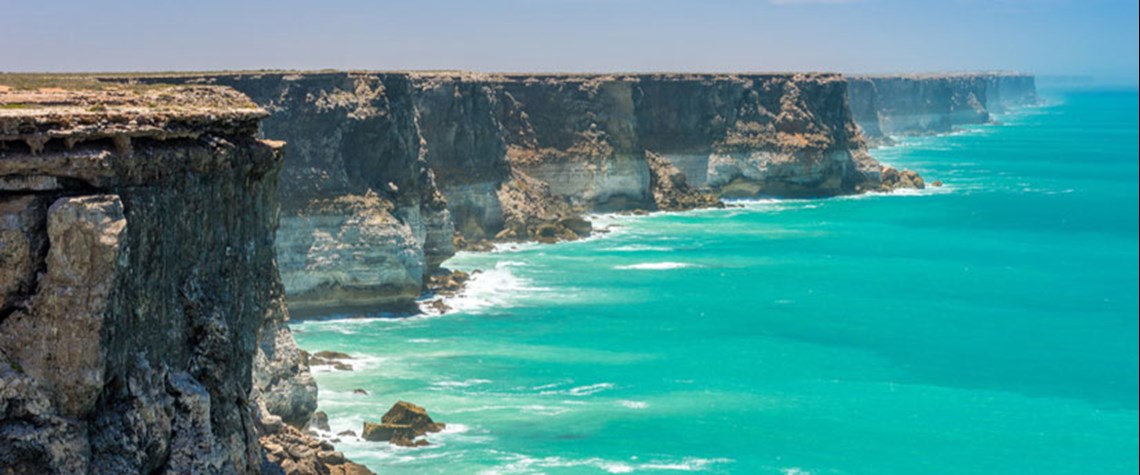
Environmentalists have long contested drilling in the Bight
Great Australian Bight closes for business
Santos joins the list of developers to withdraw from the region, deeming it too risky
The Great Australian Bight, once seen as a promising frontier deepwater exploration acreage, is effectively closed for business after the last deep-pocketed developers pulled out in July. Australian independent Santos announced in mid-July that its joint venture with US peer Murphy Oil had relinquished its 16,525km² exploration permit in the Bight. Santos owned 80pc of EPP43 and Murphy the remaining 20pc. They follow BP, Chevron and Norway’s Equinor in deeming the play too risky. The three firms abandoned their exploration plans for the Bight in 2016, 2017 and 2020 respectively. Environmental campaigners have long contested drilling in the Bight, which lies off the central and western portio

Also in this section
13 March 2026
Brussels is again weighing a cap on gas prices amid the Hormuz crisis, but the measure could backfire by deterring the LNG cargoes Europe urgently needs
12 March 2026
Emergency oil stocks provide a last line of defence to oil market shocks, so the IEA’s unprecedented 400m bl release represents something of a double-edged sword
12 March 2026
LPG could rapidly expand access to clean cooking across Africa and prevent hundreds of thousands of deaths from indoor air pollution each year, but infrastructure shortages and regulatory barriers are slowing investment and market growth
11 March 2026
Missiles over Dubai and disruption in Hormuz are testing the emirate’s reputation—and shaking the energy hub at the centre of the Gulf economy


