


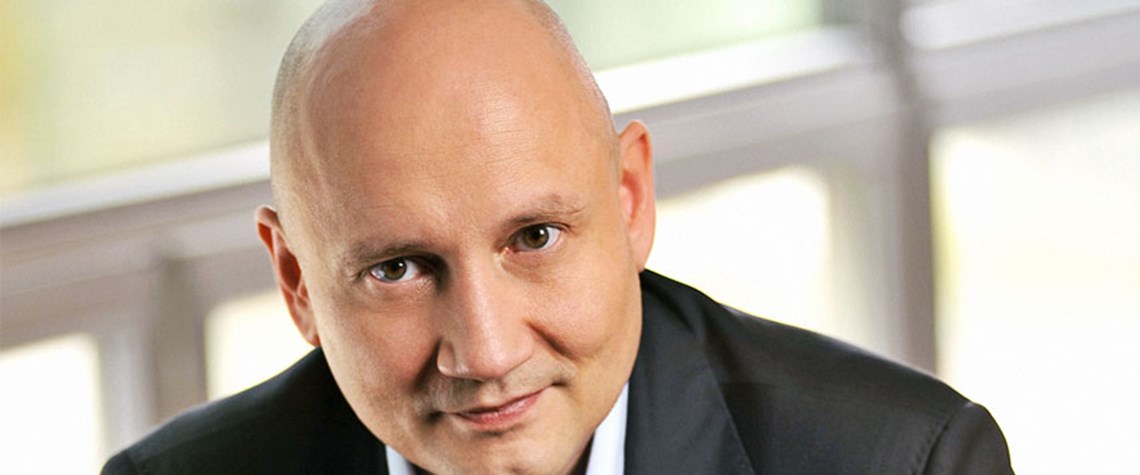
Mol upstream chief Berislav Gaso
Mol’s upstream positions for the long term
The oil and gas division wants a role beyond just providing cash for the group to pivot to lower-carbon alternatives
Hungary’s Mol has laid out a three-pronged approach to its 2030+ strategy of moving “profitably towards net zero”. But the three pillars—sustainable fuels, consumer convenience and mobility and the circular economy—leave, at first glance, little scope for its previously core oil and gas production activities. So will upstream revenues simply be used to fund the pivot to lower-carbon businesses? Or is there still a key role for hydrocarbons—albeit, in the future, decarbonised through carbon capture and storage—in Mol’s longer-term activities? Petroleum Economist spoke to Berislav Gaso, the firm’s executive vice president, upstream, to find out more. Is Mol’s upstream division just a short-t

Also in this section
13 March 2026
Brussels is again weighing a cap on gas prices amid the Hormuz crisis, but the measure could backfire by deterring the LNG cargoes Europe urgently needs
12 March 2026
Emergency oil stocks provide a last line of defence to oil market shocks, so the IEA’s unprecedented 400m bl release represents something of a double-edged sword
12 March 2026
LPG could rapidly expand access to clean cooking across Africa and prevent hundreds of thousands of deaths from indoor air pollution each year, but infrastructure shortages and regulatory barriers are slowing investment and market growth
11 March 2026
Missiles over Dubai and disruption in Hormuz are testing the emirate’s reputation—and shaking the energy hub at the centre of the Gulf economy


