


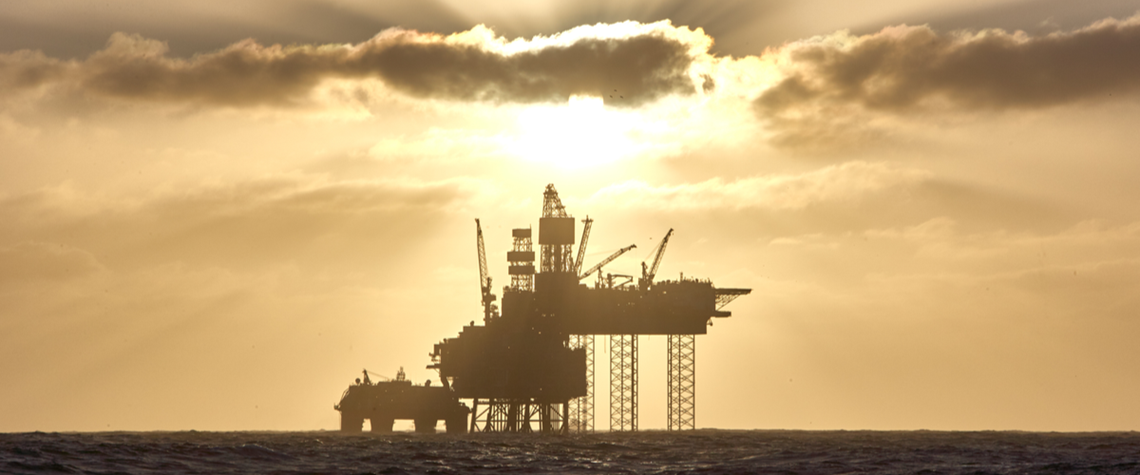
Oil and gas will be needed during the transition to meet energy demand
Outlook 2022: A ‘just’ or ‘just in time’ transition for the UK North Sea?
For over 200 hundred years, the world has relied on fossil fuels for affordable, reliable energy. How does it get to an economy based on greener energy without triggering an adverse reaction?
This year saw dramatic manifestations in the UK of the delicate nature of energy supply and demand. A mere suspicion of potential fuel shortages resulted in panic buying of petrol. And a slew of energy suppliers went bust due to record wholesale gas prices juxtaposed with a government-mandated energy price cap. There are varying schools of thought on how to move forward as we go into 2022. One is to stop investment in fossil fuels immediately and live with the consequences, with any disruption justified to expedite green energy development as a matter of necessity. The other is a more conservative—or perhaps pragmatic, given the underlying market structures—approach, looking at the forecast

Also in this section
6 March 2026
The March 2026 issue of Petroleum Economist is out now!
6 March 2026
After Europe’s rapid buildout of floating LNG import capacity, Exmar CEO Carl-Antoine Saverys says future growth in floating gas infrastructure will increasingly be driven by developing markets as lower prices, rising energy demand and the need to replace coal unlock new opportunities for unconventional and tailor-made solutions
5 March 2026
Gas is a central pillar of Colombia’s energy system, but declining production poses a significant challenge, and LNG will be increasingly needed as a stopgap. A recent major offshore gas discovery offers hope, but policy improvements are also required, Camilo Morales, secretary general of Naturgas, the Colombian gas association, tells Petroleum Economist
4 March 2026
The continent’s inventories were already depleted before conflict erupted in the Middle East, causing prices to spike ahead of the crucial summer refilling season


