


Adnoc is now pushing forwards on a trio of upstream expansion projects
UAE tries to ride two horses
Abu Dhabi’s plans to raise oil and gas production are advancing despite the federation’s carbon-cutting pledges
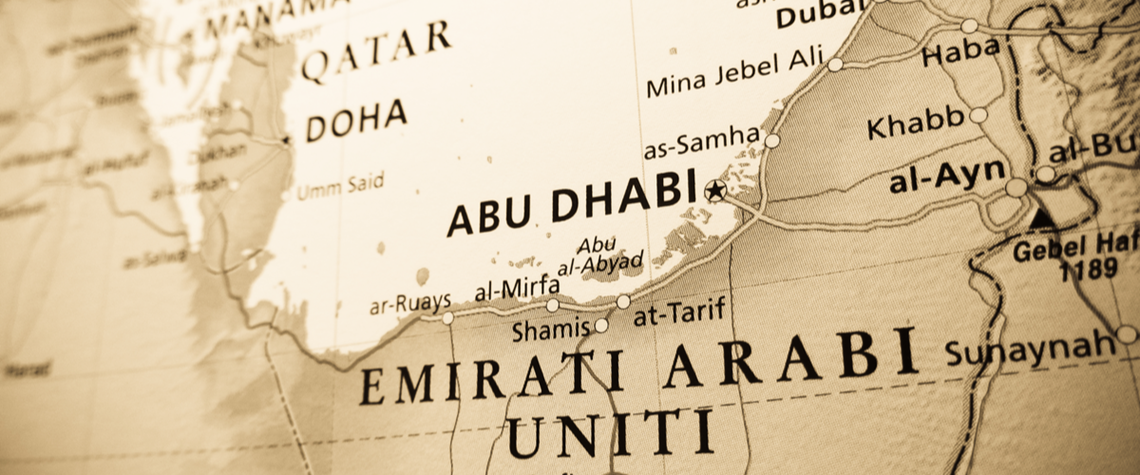
The UAE grabbed international headlines in early October by becoming both the first Mid-East Gulf petrostate and first Opec member to pledge carbon neutrality by mid-century. But Abu Dhabi has never hidden its intent to not only maintain but also increase long-term oil and gas production, controversially insisting the two ambitions can happily co-exist. Government-owned Adnoc is now pushing forwards on a trio of upstream expansion projects designed to help realise its output goals. And the exploitation of offshore sour gas reserves and of maturing oilfields promise to be energy-intensive. Restoring gas self-sufficiency is a political and economic priority for Abu Dhabi, all the more so given

Also in this section
5 March 2026
Gas is a central pillar of Colombia’s energy system, but declining production poses a significant challenge, and LNG will be increasingly needed as a stopgap. A recent major offshore gas discovery offers hope, but policy improvements are also required, Camilo Morales, secretary general of Naturgas, the Colombian gas association, tells Petroleum Economist
4 March 2026
The continent’s inventories were already depleted before conflict erupted in the Middle East, causing prices to spike ahead of the crucial summer refilling season
4 March 2026
The US president has repeatedly promised to lower gasoline prices, but this ambition conflicts with his parallel aim to increase drilling and could be upended by his war against Iran
4 March 2026
With the Strait of Hormuz effectively closed following US-Israel strikes and Iran’s retaliatory escalation, Fujairah has become the region’s critical pressure release valve—and is now under serious threat


