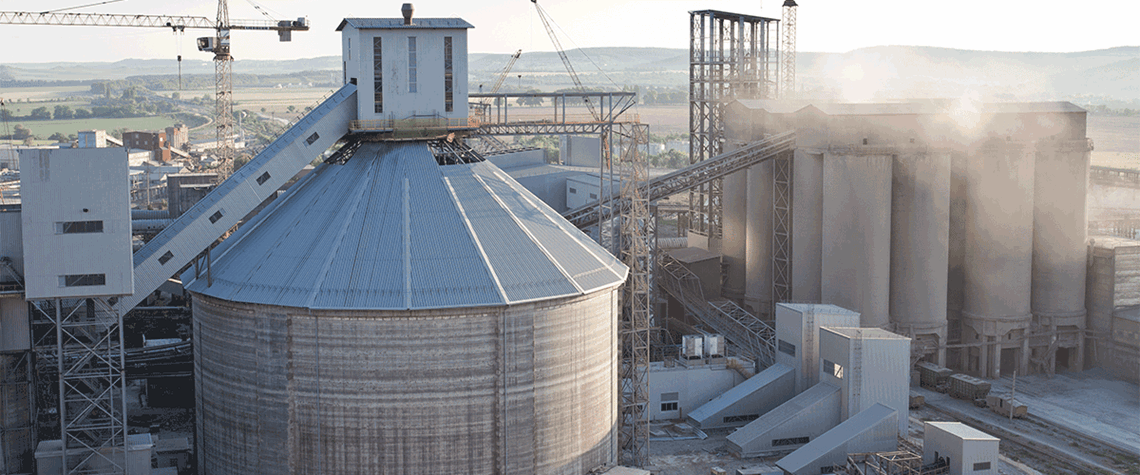
Leilac’s technology was initially aimed at cement sector
Heirloom to market lime-based DAC technology
US technology company signs MoU to use calcination process initially developed to abate cement industry emissions
US technology company Heirloom plans to market the first direct air capture (DAC) system using a CO₂ separation process initially used to abate emissions in the cement industry. Heirloom, the backers of which include Bill Gates’ Breakthrough Energy Ventures, has signed a memorandum of understanding (MoU) with US decarbonisation company Leilac to use its electric kiln technology under licence in a lime-based DAC process. Heirloom’s process uses lime in a novel carbonation process to directly capture CO₂ from the air and form limestone. This process accelerates the natural binding of CO₂ and lime from a period of years to just three days. After binding, the reformed limestone is fed back into

Also in this section
12 March 2026
Role of world’s largest carbon cap-and-trade market under scrutiny as war in Iran threatens to drive EU energy costs to unsustainable levels
10 March 2026
Europe urgently needs to bring more projects to FID, as CCS investors warn they might divert capital to faster-growing regions
9 January 2026
A shift in perspective is needed on the carbon challenge, the success of which will determine the speed and extent of emissions cuts and how industries adapt to the new environment
2 January 2026
This year may be a defining one for carbon capture, utilisation and storage in the US, despite the institutional uncertainty