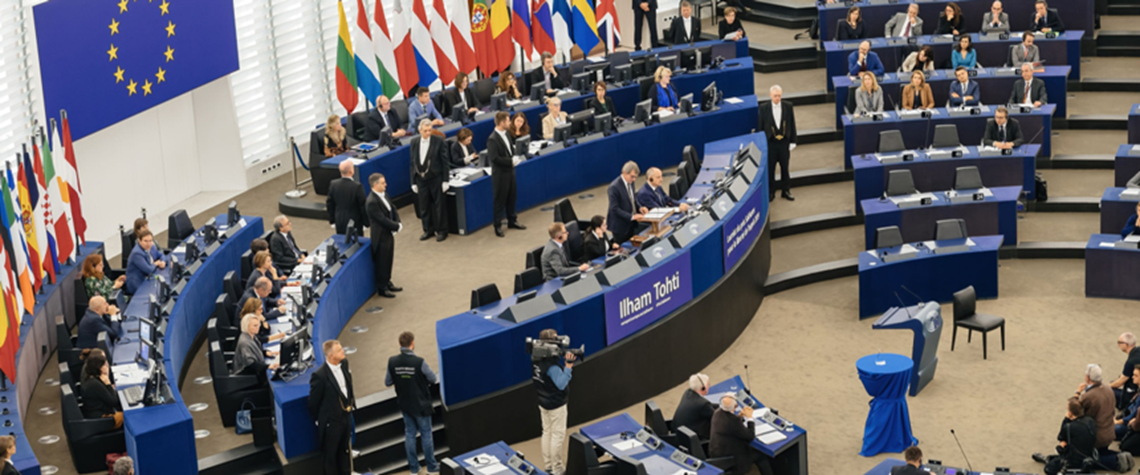
MEPs voted through the amendments on Wednesday
MEPs loosen green hydrogen production criteria
Amendment would allow renewable hydrogen to be produced from the grid if producers secure PPAs for renewable energy
The European Parliament has voted through an amendment to the Renewable Energy Directive that loosens the requirements for hydrogen to be considered renewable. Under a previous delegated act proposed by the European Commission, hydrogen production had to be powered by a dedicated renewable energy asset for it to be considered a renewable source of the fuel. If the electrolyser used to create the hydrogen was connected to the general grid, it would have to be powered by a renewable asset in the same or adjacent geographical bidding zone that was generating power during the same one-hour period the hydrogen was produced. Under the new rules, renewable hydrogen can be produced from grid-sourced

Also in this section
1 April 2026
Multiple projects have been scrapped and valuations have nosedived, but the IEA says hydrogen is no passing fad
25 March 2026
The Middle East energy shock has highlighted the value of France’s unique potential to deploy nuclear-powered electrolysers
18 March 2026
The second fossil-fuel price shock in four years can be a much-needed catalyst for investment in the sector
9 March 2026
Hydrogen has not stalled in the UK because the technology does not work. The problem is that the system around it does not yet move at the speed required