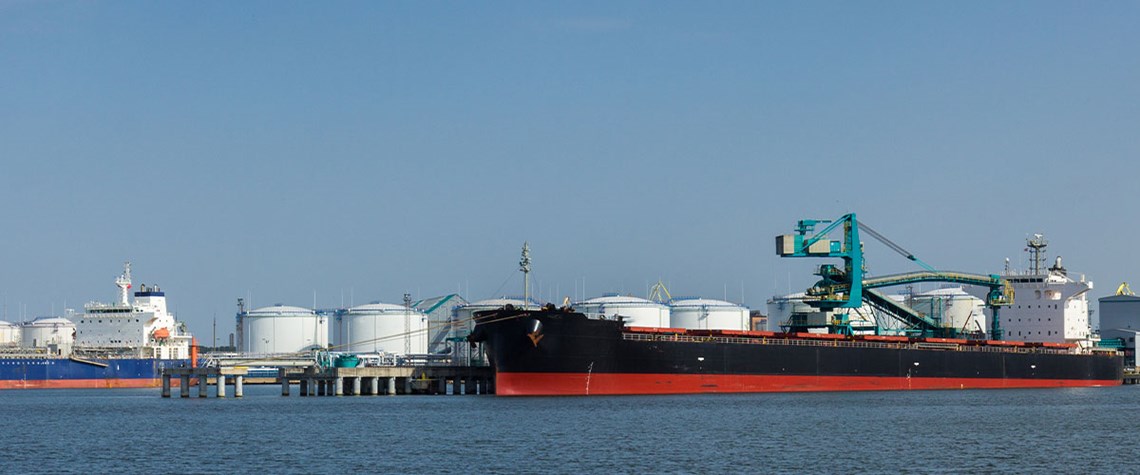
Hydrogen molecules could be shipped as ammonia
International trade will meet 25pc of hydrogen demand by 2050
Most demand will be met by local supply under 1.5°C scenario but ammonia shipping and pipelines will have significant role to play, says Irena
A quarter of the total global hydrogen demand in 2050—some 150mn t/yr—could be met through international trade under a scenario where global warming is limited to 1.5°C this century, according to the International Renewable Energy Agency (Irena). The other three quarters of hydrogen demand would be met with local supply under the scenario— which envisages hydrogen meeting 12pc of global energy demand by 2050. “This is a significant change from today’s oil market, where the bulk—about 74pc—is internationally traded, but it is similar to today’s gas market, of which just 33pc is traded across borders,” says the report, titled Global hydrogen trade to meet the 1.5°C climate goal. 12pc – G

Also in this section
9 March 2026
Hydrogen has not stalled in the UK because the technology does not work. The problem is that the system around it does not yet move at the speed required
4 March 2026
Turmoil in Middle East reminds nascent clean hydrogen sector that its future prospects are dependent on global energy markets and geopolitics
25 February 2026
Low-carbon hydrogen and ammonia development is advancing much more slowly and unevenly than once expected, with high costs and policy uncertainty thinning investment. Meanwhile, surging energy demand is reinforcing the role of natural gas and LNG as the backbone of the global energy system, panellists at LNG2026 said
18 February 2026
Norwegian energy company has dropped a major hydrogen project and paused its CCS expansion plans as demand fails to materialise