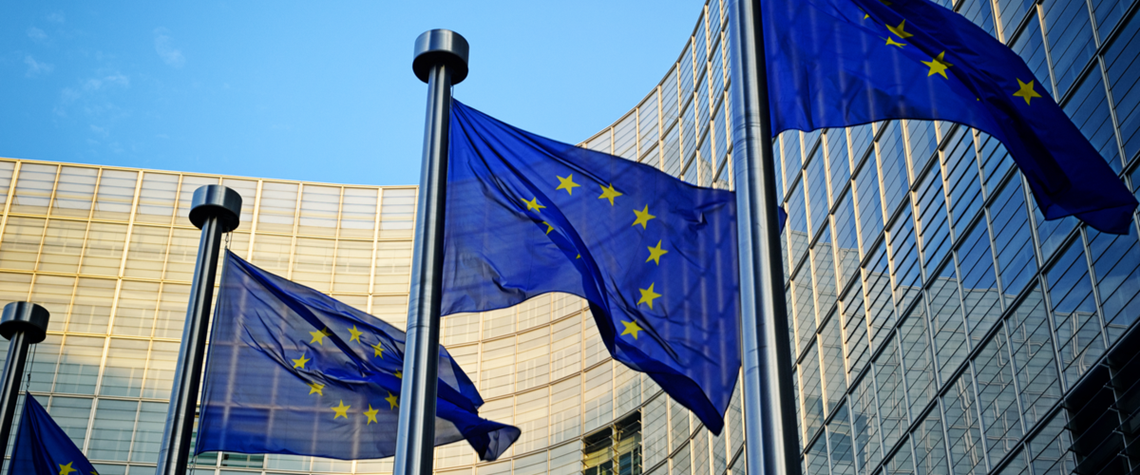
The European Commission will oversee governance of the scheme
EU agrees hydrogen carbon border tariffs
Carbon border adjustment mechanism will apply to imported hydrogen as well as other industrial products from 2023
Non-EU companies importing carbon-intensive hydrogen and ammonia into the EU will have to pay a tax on the fuels later this decade, following a deal by EU lawmakers on the proposed Carbon Border Adjustment Mechanism (CBAM). A test phase will begin in 2023, during which importers will be required only to measure and report the emissions produced in the manufacture of hydrogen imported into the EU. Later in the decade, they will be obliged to purchase ‘CBAM certificates’ to pay for the difference between the carbon price in the country of production and the price of carbon allowances under the EU emissions trading system (ETS). “The EU cannot afford to create additional obstacles in reac

Also in this section
4 March 2026
Turmoil in Middle East reminds nascent clean hydrogen sector that its future prospects are dependent on global energy markets and geopolitics
25 February 2026
Low-carbon hydrogen and ammonia development is advancing much more slowly and unevenly than once expected, with high costs and policy uncertainty thinning investment. Meanwhile, surging energy demand is reinforcing the role of natural gas and LNG as the backbone of the global energy system, panellists at LNG2026 said
18 February 2026
Norwegian energy company has dropped a major hydrogen project and paused its CCS expansion plans as demand fails to materialise
4 February 2026
Europe’s largest electrolyser manufacturers are losing patience with policymakers as sluggish growth in the green hydrogen sector undermines their decision to expand production capacity