


Abuja goes for gas, again
Nigeria has long tried to develop a domestic gas market. The Buhari administration is trying again
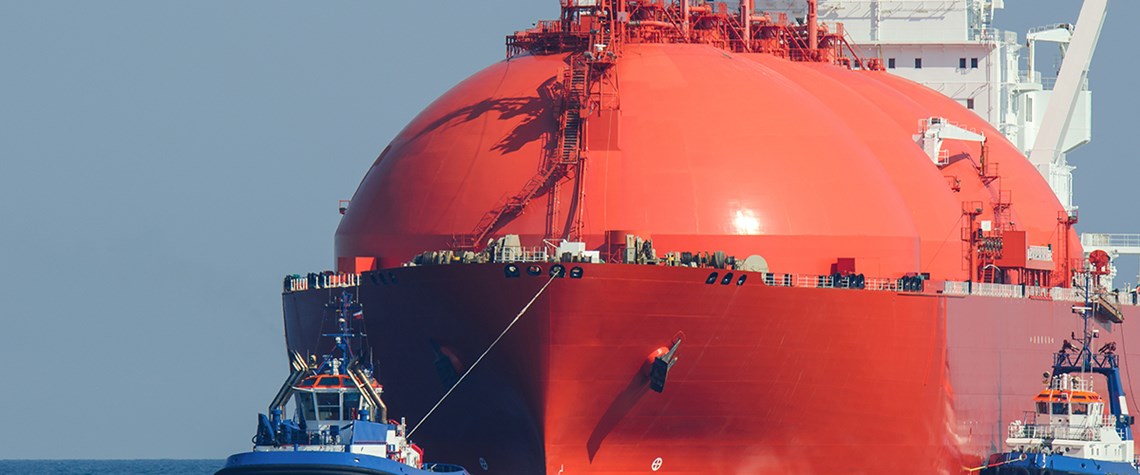
Nigeria's cabinet has approved a new National Gas Policy—news that, to many observers, might prompt a shrug. Successive governments have promise, and failed, to stimulate investment in the country's under-exploited gas resources for nearly as long as its hydrocarbons industry has been in existence. This time, it might just lead to more than empty rhetoric. Nigeria has gas reserves of around 187 trillion cubic feet—the world's ninth-largest endowment—but produces only around 1.7 trillion cf annually, most of which goes to the 22m-tonnes-a-year Nigeria LNG export plant. Failure to incentivise gas exploration, invest in infrastructure and botched efforts by previous administrations to privatise

Also in this section
5 March 2026
Gas is a central pillar of Colombia’s energy system, but declining production poses a significant challenge, and LNG will be increasingly needed as a stopgap. A recent major offshore gas discovery offers hope, but policy improvements are also required, Camilo Morales, secretary general of Naturgas, the Colombian gas association, tells Petroleum Economist
4 March 2026
The continent’s inventories were already depleted before conflict erupted in the Middle East, causing prices to spike ahead of the crucial summer refilling season
4 March 2026
The US president has repeatedly promised to lower gasoline prices, but this ambition conflicts with his parallel aim to increase drilling and could be upended by his war against Iran
4 March 2026
With the Strait of Hormuz effectively closed following US-Israel strikes and Iran’s retaliatory escalation, Fujairah has become the region’s critical pressure release valve—and is now under serious threat


