


Newsletters | Request Trial | Log in | Advertise | Digital Issue   |   Search
  • Upstream
  • Midstream & Downstream
  • Gas & LNG
  • Trading & Markets
  • Corporate & Finance
  • Geopolitics
  • Podcasts
Search
Related Articles
Explainer: How the EU will wean itself off Russian gas
Questions remain about how the phase-out will be implemented and enforced in practice
Mideast states power up their gas priorities
Saudi Arabia, the UAE and Qatar are ploughing resources into gas—with a growing eye on facilitating domestic use in power and value-added sectors
Arctic LNG comes in from the cold
Beijing now appears prepared to accept discounted Russian LNG, even at the cost of heightened sanctions risk
MENA's gas metamorphosis
Across the Middle East and North Africa, gas is taking an enhanced role in helping build out economies that need to diversify away from crude oil dependence
Fear and loathing in US LNG buildout
Overall gas optimism is blighted by concerns over lingering regulatory and infrastructure hurdles that could hamper expansion of US LNG exports, weaken security and stifle AI ambitions
East Med needs less talk, more action – Energean CEO
Some operators are not committed to developing their gas resources, whether because they are too small or of lower priority, or because of geopolitical concerns, says Mathios Rigas
India’s LNG falling short
More needs to be done to meet the government’s ambitious targets for gas
YPF reinvents itself
Under a new Argentine president and company CEO, YPF has shed dozens of non-core assets as it doubles down on the Vaca Muerta shale and LNG
US sees energy dominance as strategic necessity
The Trump administration is using energy exports to strengthen political and economic ties with allies and weaken adversaries, while simultaneously exploiting those ties to open up further markets for US energy
Letter from Italy: Faith in gas reaches new zenith
Politicians and executives alike expressed confidence in the trajectory for gas demand at this year’s Gastech, and record volumes of FIDs suggest little concern about a supply glut
Israel LNG
Gina Cohen
Tel Aviv
12 September 2017
Follow @PetroleumEcon
Forward article link
Share PDF with colleagues

Israel: More gas customers, please

The country has invoked new emergency regulations as offshore pipeline repairs reduce domestic supply—but is it a sensible move?

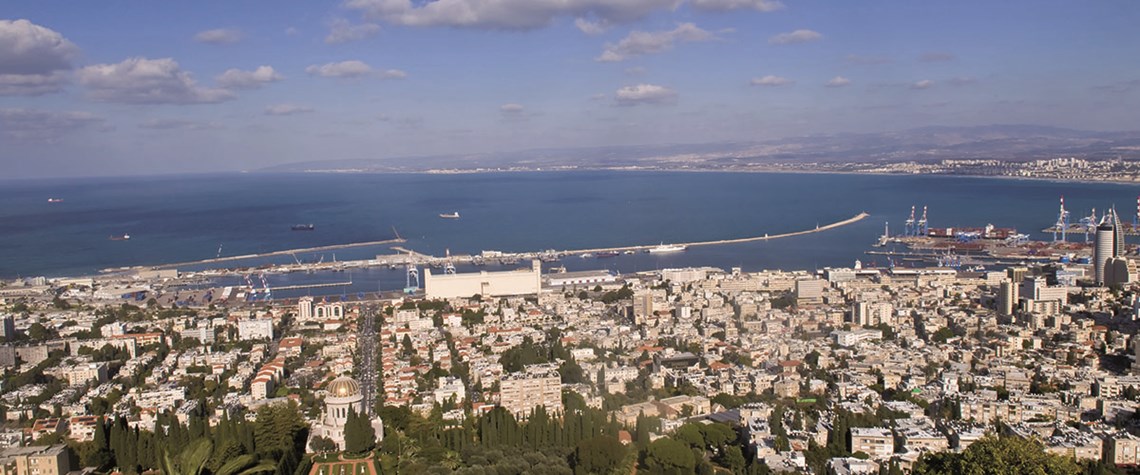
In April, the Israeli government passed new emergency times regulations initiated by the Ministry of Energy, based on the Gas Law of 2002. These provide extensive, and hitherto untested, powers to the ministry in the event of an emergency in the domestic natural gas market. A state of emergency can be declared as soon as "the hourly demand for gas in any given hour exceeds the maximum amount that can be supplied". The regulations empower the ministry to decide on how to allocate the gas available. These emergency measures were invoked on 7 September for a six-week period between 19 September and 31 October on the grounds that maintenance work would be carried out on the two 150km (93-mile) o

Also in this section
Canada’s Asian pivot faces hurdles
12 December 2025
The federal government is working with Alberta to improve the country’s access to Asian markets and reduce dependence on the US, but there are challenges to their plans
Outlook 2026
12 December 2025
The latest edition of our annual Outlook publication, titled 'The shape of energy to come: Creating unique pathways and managing shifting alliances', is available now
New Zealand is back open for business
11 December 2025
The removal of the ban on oil and gas exploration and an overhaul of the system sends all the right messages for energy security, affordability and sustainability
New Zealand’s gas horror story will haunt for years to come
10 December 2025
The economic and environmental cost of the seven-year exploration ban will be felt long after its removal

Share PDF with colleagues

COPYRIGHT NOTICE: PDF sharing is permitted internally for Petroleum Economist Gold Members only. Usage of this PDF is restricted by <%= If(IsLoggedIn, User.CompanyName, "")%>’s agreement with Petroleum Economist – exceeding the terms of your licence by forwarding outside of the company or placing on any external network is considered a breach of copyright. Such instances are punishable by fines of up to US$1,500 per infringement
Send

Forward article Link

Send
Sign Up For Our Newsletter
Project Data
Maps
Podcasts
Social Links
Featured Video
Home
  • About us
  • Subscribe
  • Reaching your audience
  • PE Store
  • Terms and conditions
  • Contact us
  • Privacy statement
  • Cookies
  • Sitemap
All material subject to strictly enforced copyright laws © 2025 The Petroleum Economist Ltd
Cookie Settings
;

Search
