


LNG power play
Weak prices are an opportunity for LNG-to-power developers. But projects need the right partners and location to succeed
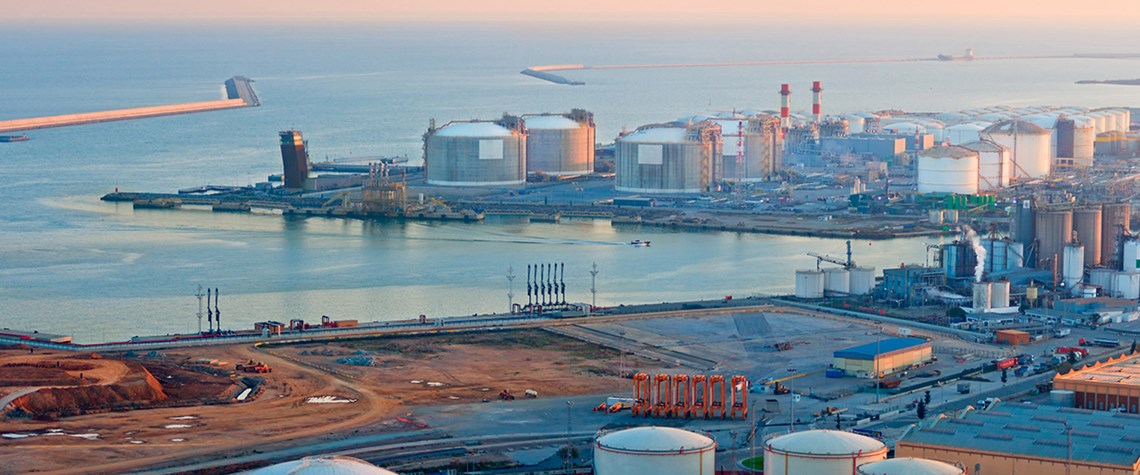
It's no secret that a global liquefied natural gas glut has pressured prices from Europe to Southeast Asia. LNG imports into Japan now cost buyers just $8 per million British thermal units—less than half the price two and a half years ago. Europeans are importing LNG for even less, for around $5-6/m Btu. Faced with saturated gas markets and persistently low prices, both power buyers and gas producers spy an opportunity to develop LNG-to-power projects. These projects typically consist of an LNG import terminal to receive, store and regasify the LNG, and a connected gas-fired power plant to burn the fuel to produce electricity. Several LNG-to-power projects are under development or recently c

Also in this section
28 April 2026
The key energy player faces balancing regional routes, political complexities, and creating a clear strategic vision for energy security
24 April 2026
The European Commission’s response to the Middle East crisis is to double down on its transition strategy, with plans for a new target on electrification
24 April 2026
A major new discovery by Eni and BP that can likely be fast-tracked to production is welcome news for Egypt as it scrambles to plug a widening supply gap and deal with rising import risks
24 April 2026
Countries in the region are turning to the cleaner-burning fuel for power generation, driving demand for imports


