


The Mideast's gas paradox
It is home to the world's biggest exporter—and also some of its fastest-growing consumers. Yet intra-regional trade remains thin
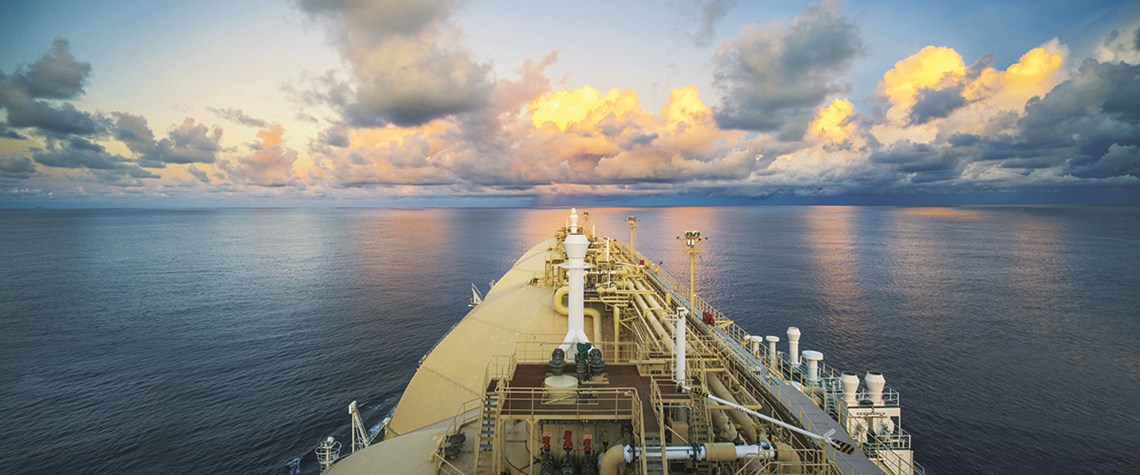
The Middle East's transformation from swaggering liquefied natural gas-export hub to insurgent global demand hub continues apace. With domestic demand for gas pushing ever higher, the region's tight band of long-term importing countries—the UAE, Kuwait and Israel—has been expanded in the past couple of years with new entrants Jordan and Egypt. The latter two were among the fastest-growing LNG importing countries last year, amid a rapid deployment of floating storage and regasification units (FSRUs) starting in 2015. FSRUs have enabled the Middle East's new LNG importers to capitalise on fluctuating price trends. The region's apparently insatiable appetite for spot LNG cargoes has played a la

Also in this section
13 March 2026
Brussels is again weighing a cap on gas prices amid the Hormuz crisis, but the measure could backfire by deterring the LNG cargoes Europe urgently needs
12 March 2026
Emergency oil stocks provide a last line of defence to oil market shocks, so the IEA’s unprecedented 400m bl release represents something of a double-edged sword
12 March 2026
LPG could rapidly expand access to clean cooking across Africa and prevent hundreds of thousands of deaths from indoor air pollution each year, but infrastructure shortages and regulatory barriers are slowing investment and market growth
11 March 2026
Missiles over Dubai and disruption in Hormuz are testing the emirate’s reputation—and shaking the energy hub at the centre of the Gulf economy


