


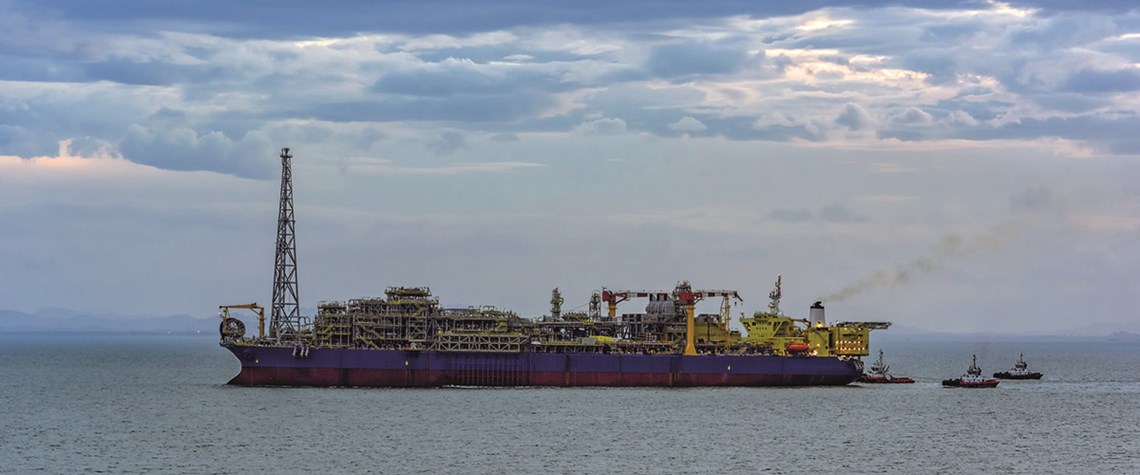
Downward drift
Gas production across the region is set to decline, with China the major exception, leading to increasing LNG imports
After peaking at over 440bn cubic metres a year in 2015, gas production in Asia is predicted to start gradually declining in the coming decade. Indonesia, Pakistan, Thailand, Bangladesh, Myanmar—and to some extent Malaysia—will see falling indigenous production from established reserve bases. By 2030, gas production in Asia is predicted at just over 390bn cm/y, according to Rystad Energy, representing an annual average reduction of 0.8%. Gas production is set to increase most markedly in China, where output will rise from 120bn cm/y in 2016 to around 150bn cm/y by 2030, surpassing all other Asian nations. Dominant producer PetroChina has been steadily building gas production capacity across

Also in this section
28 April 2026
Datacentres will guzzle power at a ferocious rate, but the impact on wider energy markets will be far more complex than previously thought
28 April 2026
The key energy player faces balancing regional routes, political complexities, and creating a clear strategic vision for energy security
24 April 2026
The European Commission’s response to the Middle East crisis is to double down on its transition strategy, with plans for a new target on electrification
24 April 2026
A major new discovery by Eni and BP that can likely be fast-tracked to production is welcome news for Egypt as it scrambles to plug a widening supply gap and deal with rising import risks


