


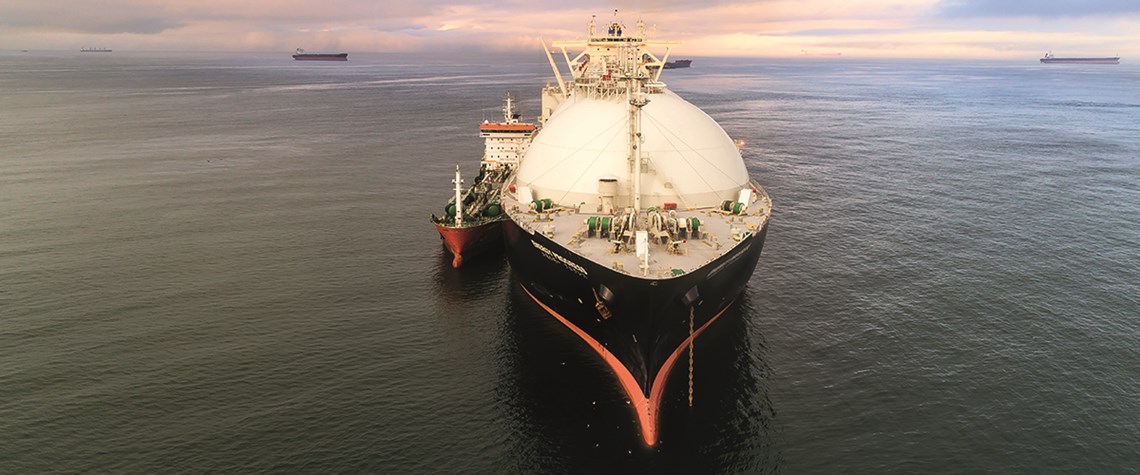
Financing marine LNG
With the deadline for IMO regulations approaching, the industry is closely evaluating the business case for liquefied natural gas
LNG has long featured as a means to an end: a way of transporting natural gas from source to markets. But it was only in 2000 that a Norwegian ferry, the Glutra, entered service as the first non-LNG carrier vessel to be powered itself by the fuel. Since then, the fleet has grown significantly. As the idea of LNG-fuelled ships has gained traction, financial officers and accountants at shipping firms around the globe have had to crunch the numbers to see how it might work for them. Industry officials believe a blend of regulation, reputational issues, logistics and economics will drive further growth of the market for LNG as a marine fuel. But in the immediate aftermath of the introduction of

Also in this section
13 March 2026
Brussels is again weighing a cap on gas prices amid the Hormuz crisis, but the measure could backfire by deterring the LNG cargoes Europe urgently needs
12 March 2026
Emergency oil stocks provide a last line of defence to oil market shocks, so the IEA’s unprecedented 400m bl release represents something of a double-edged sword
12 March 2026
LPG could rapidly expand access to clean cooking across Africa and prevent hundreds of thousands of deaths from indoor air pollution each year, but infrastructure shortages and regulatory barriers are slowing investment and market growth
11 March 2026
Missiles over Dubai and disruption in Hormuz are testing the emirate’s reputation—and shaking the energy hub at the centre of the Gulf economy


