


LNG hubs—more global, more liquid
Demand is keeping up with supply. But new flexibility and hubs are changing the trading environment
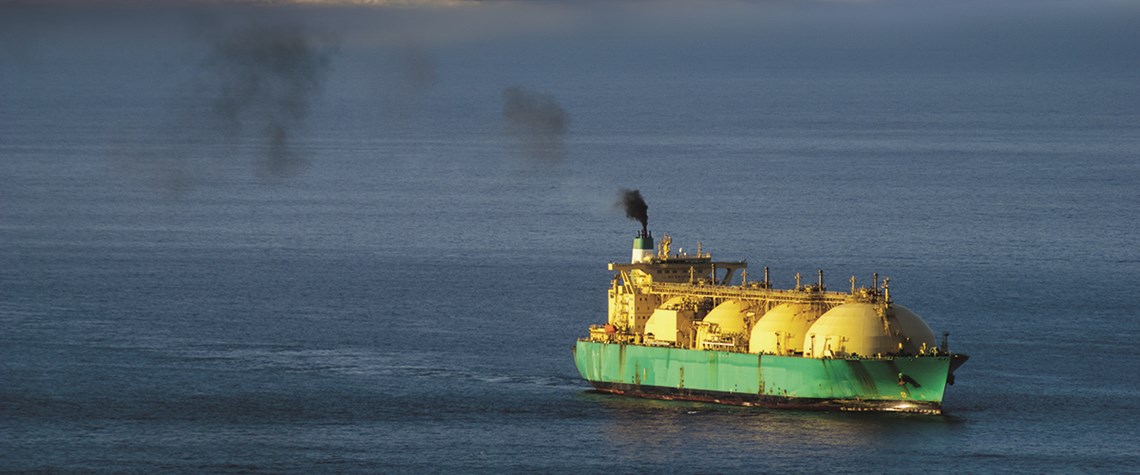
Increasingly flexible supply helped the world's liquefied natural gas market overcome expectations of a glut to absorb an 11% increase in production last year. Higher demand in key consumer countries helped, but new infrastructure in emerging gas markets; more flexibility on contract terms and prices; international traders' increased presence; and the gradual emergence of pricing hubs in the dominant Asia-Pacific market all contributed. "This is all part of the globalisation of gas", says a long-standing industry observer. Industry officials point out that the market's ability to absorb further supply from leading producers Australia, Qatar, and the US in coming years will be linked to its a

Also in this section
13 March 2026
Brussels is again weighing a cap on gas prices amid the Hormuz crisis, but the measure could backfire by deterring the LNG cargoes Europe urgently needs
12 March 2026
Emergency oil stocks provide a last line of defence to oil market shocks, so the IEA’s unprecedented 400m bl release represents something of a double-edged sword
12 March 2026
LPG could rapidly expand access to clean cooking across Africa and prevent hundreds of thousands of deaths from indoor air pollution each year, but infrastructure shortages and regulatory barriers are slowing investment and market growth
11 March 2026
Missiles over Dubai and disruption in Hormuz are testing the emirate’s reputation—and shaking the energy hub at the centre of the Gulf economy


