


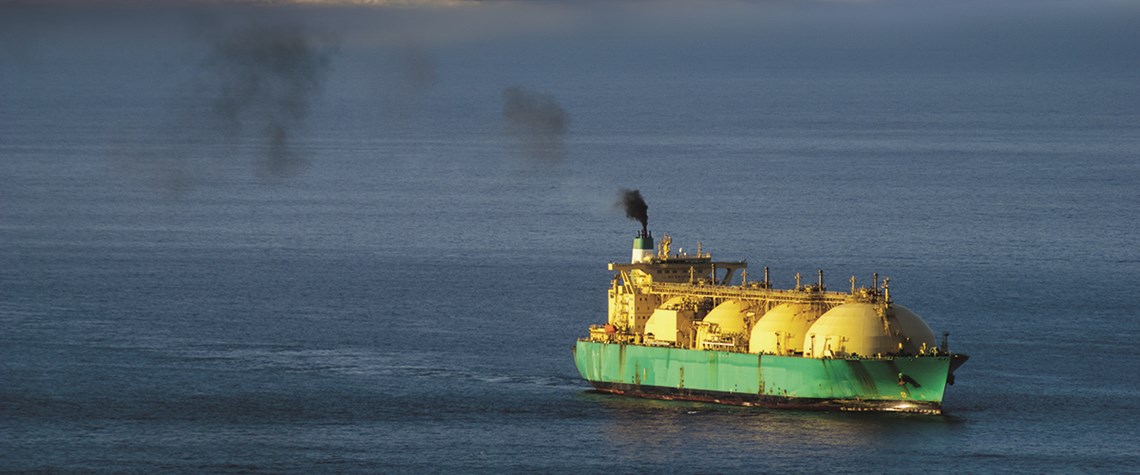
LNG hubs—more global, more liquid
Demand is keeping up with supply. But new flexibility and hubs are changing the trading environment
Increasingly flexible supply helped the world's liquefied natural gas market overcome expectations of a glut to absorb an 11% increase in production last year. Higher demand in key consumer countries helped, but new infrastructure in emerging gas markets; more flexibility on contract terms and prices; international traders' increased presence; and the gradual emergence of pricing hubs in the dominant Asia-Pacific market all contributed. "This is all part of the globalisation of gas", says a long-standing industry observer. Industry officials point out that the market's ability to absorb further supply from leading producers Australia, Qatar, and the US in coming years will be linked to its a

Also in this section
28 April 2026
Oil traders warning of $200/bl oil are wrong, and the market should be wary of proclamations that the impact of the oil shortage has only begun to be felt and a that a ‘harsh adjustment’ is coming—even for industrialised nations
28 April 2026
Restoring supply from Saudi Arabia, the UAE, Kuwait, Qatar, Bahrain and Iraq involves complexities far beyond simply adjusting operational controls
28 April 2026
Datacentres will guzzle power at a ferocious rate, but the impact on wider energy markets will be far more complex than previously thought
28 April 2026
The key energy player faces balancing regional routes, political complexities, and creating a clear strategic vision for energy security


