


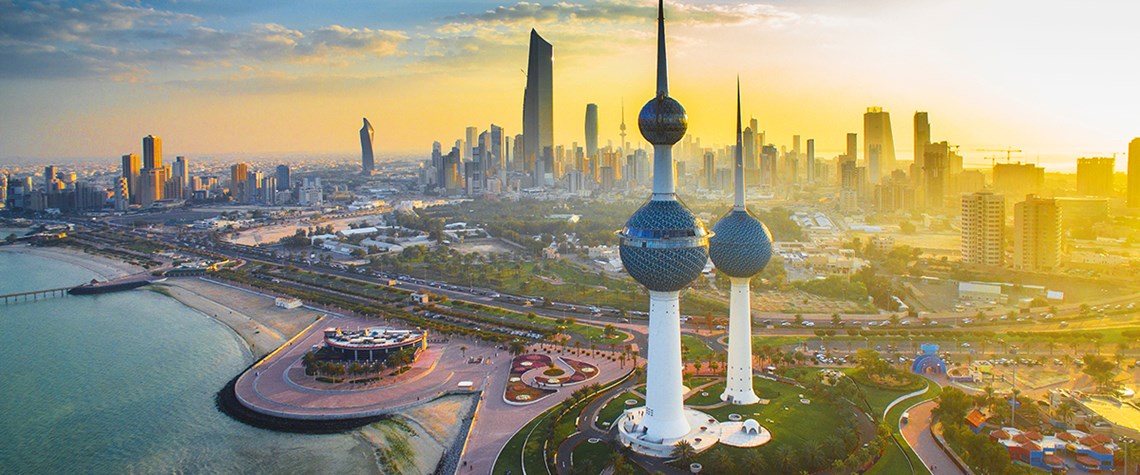
Middle East LNG imports set to soar
Gas shortages will prompt expansion in regional demand for liquefied natural gas
Between 2014 and 2016, LNG imports in the Middle East more than doubled, from 4.1m tonnes a year to 9.9m t/y. Growth is expected to continue accelerating, with another near-doubling by 2020, according to some estimates. The region certainly has sufficient regasification capacity to make that possible. The projects already in operation—all of which are floating storage and regasification units (FSRU)—have a combined capacity of some 24m t/y. Projects in advanced stages of planning could add another 15-18m t/y by the early 2020s. The region's list of LNG importers already includes Kuwait, the United Arab Emirates, Israel and Jordan. Bahrain is expected to join them by end-2018 or early next ye

Also in this section
13 March 2026
Brussels is again weighing a cap on gas prices amid the Hormuz crisis, but the measure could backfire by deterring the LNG cargoes Europe urgently needs
12 March 2026
Emergency oil stocks provide a last line of defence to oil market shocks, so the IEA’s unprecedented 400m bl release represents something of a double-edged sword
12 March 2026
LPG could rapidly expand access to clean cooking across Africa and prevent hundreds of thousands of deaths from indoor air pollution each year, but infrastructure shortages and regulatory barriers are slowing investment and market growth
11 March 2026
Missiles over Dubai and disruption in Hormuz are testing the emirate’s reputation—and shaking the energy hub at the centre of the Gulf economy


