


Russia and coal to set European tone
Gazprom's market share ambitions and the price at which power plant demand soaks up supply are 2019's key questions
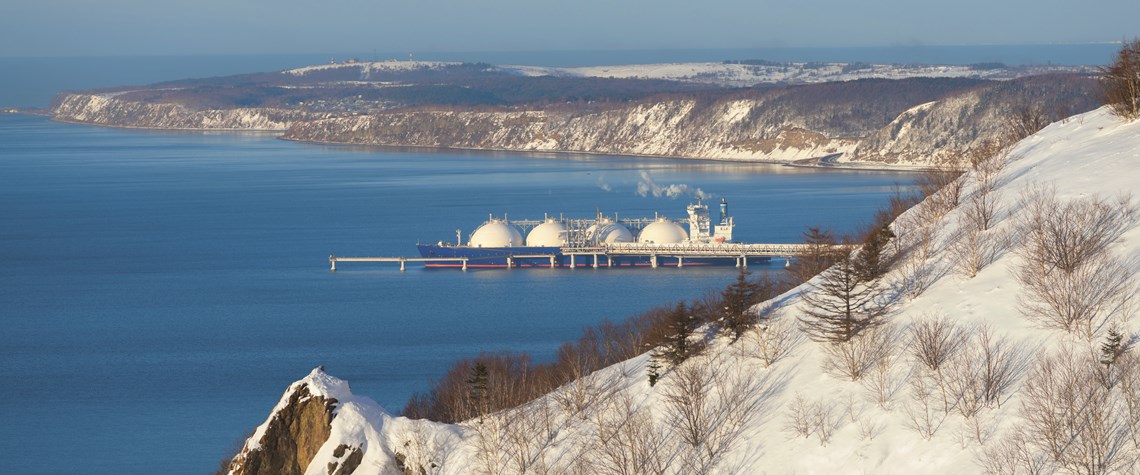
European gas prices moved substantially lower in the fourth quarter of 2018 as predictions of a global LNG oversupply ending up in its "sink" market finally showed signs of coming true. With the potential for more of the same in 2019, much focus is on what support levels the European price can find. The benchmark Ice TTF front month futures contract was just below the €22/MWh (c.$7.50/mn Btu) mark at the beginning of August 2018, although this still reflected price inflation through the first four months of the summer, from levels only just above €18/MWh at its start. The final two months of the summer saw a step-change, though, as the contract shot up to a high of above €29.20/MWh, north of

Also in this section
13 March 2026
Brussels is again weighing a cap on gas prices amid the Hormuz crisis, but the measure could backfire by deterring the LNG cargoes Europe urgently needs
12 March 2026
Emergency oil stocks provide a last line of defence to oil market shocks, so the IEA’s unprecedented 400m bl release represents something of a double-edged sword
12 March 2026
LPG could rapidly expand access to clean cooking across Africa and prevent hundreds of thousands of deaths from indoor air pollution each year, but infrastructure shortages and regulatory barriers are slowing investment and market growth
11 March 2026
Missiles over Dubai and disruption in Hormuz are testing the emirate’s reputation—and shaking the energy hub at the centre of the Gulf economy


