


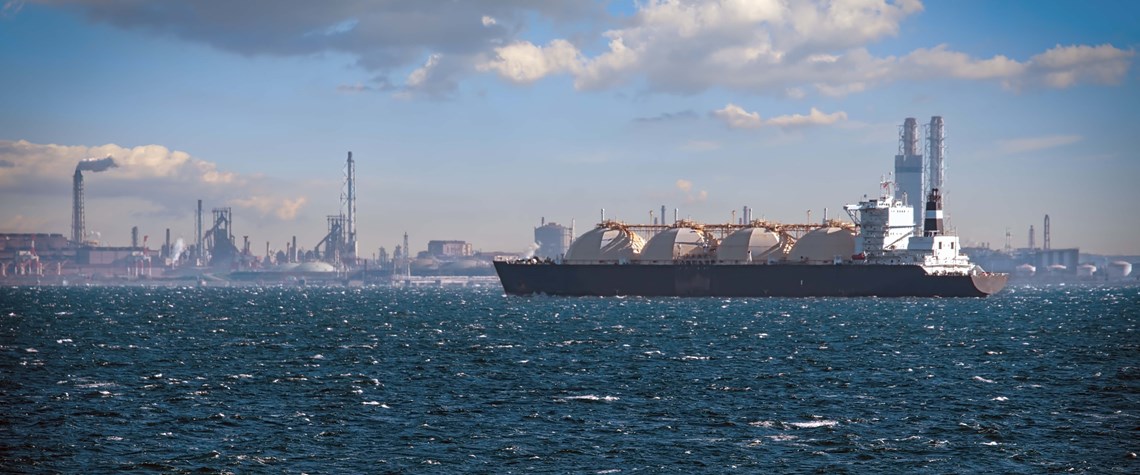
An LNG vessel in Japan’s Tokyo Bay
Gas readies for its oil moment
The growth in spot LNG is transforming gas into a globalised commodity market
A need to transact naturally leads to markets. But the very nature of the energy industry—large capital investments, long gestation periods, specificity of assets—can lead to very volatile markets, with high risk and the potential for violent boom-and-bust cycles. As a result, the industry can tend away from fledgling competitive markets and towards natural monopolies. Having one large terminal or pipeline is more efficient than having many small ones. On the flip side, monopolies can often ultimately result in lower output and higher prices. Within non-free market value chains, a government normally takes a hand in regulating prices or ensuring ‘security of supply’—and bring with them new p

Also in this section
13 March 2026
Brussels is again weighing a cap on gas prices amid the Hormuz crisis, but the measure could backfire by deterring the LNG cargoes Europe urgently needs
12 March 2026
Emergency oil stocks provide a last line of defence to oil market shocks, so the IEA’s unprecedented 400m bl release represents something of a double-edged sword
12 March 2026
LPG could rapidly expand access to clean cooking across Africa and prevent hundreds of thousands of deaths from indoor air pollution each year, but infrastructure shortages and regulatory barriers are slowing investment and market growth
11 March 2026
Missiles over Dubai and disruption in Hormuz are testing the emirate’s reputation—and shaking the energy hub at the centre of the Gulf economy


