


The EU’s attempt to wean itself off Russian pipeline gas has increased competition for LNG supply and shipping
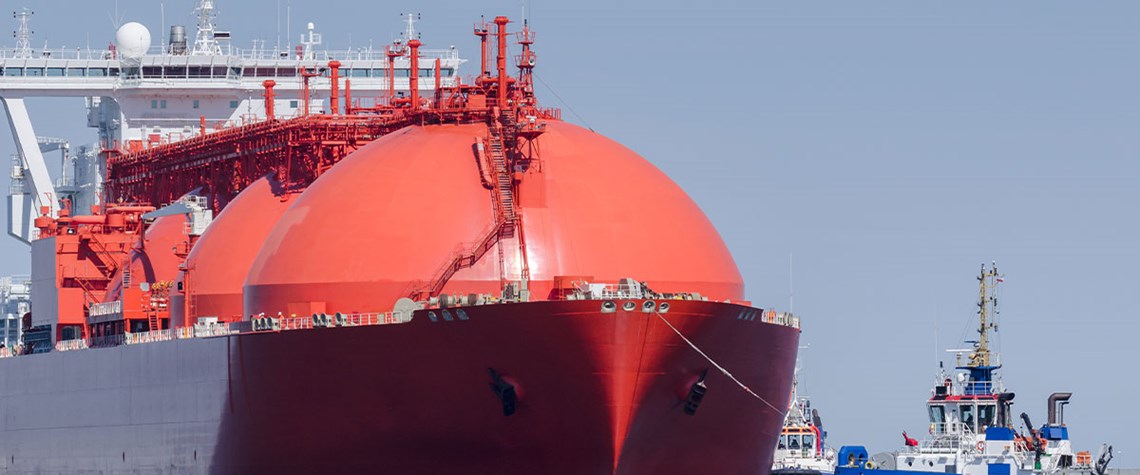
Germany acquires three LNG carriers
The government has assumed control of at least three LNG vessels that were chartered to a Gazprom subsidiary
NYSE-listed Dynagas LNG Partners has confirmed that three of its LNG carriers—the Amur River, Ob River and Clean Energy—have been “effectively under the control of the German government” since early April and that this may last “for an indefinite period of time”. The German federal authorities also assumed control over Gazprom Germania in early April due to its operation of critical infrastructure in the country. Gazprom Germania is the indirect parent company of Gazprom Marketing & Trading, which had the three Dynagas carriers under long-term charter. The charterer in such deals operates the vessel and is responsible for voyage-related costs including fuel and terminal fees. “It i

Also in this section
13 March 2026
Brussels is again weighing a cap on gas prices amid the Hormuz crisis, but the measure could backfire by deterring the LNG cargoes Europe urgently needs
12 March 2026
Emergency oil stocks provide a last line of defence to oil market shocks, so the IEA’s unprecedented 400m bl release represents something of a double-edged sword
12 March 2026
LPG could rapidly expand access to clean cooking across Africa and prevent hundreds of thousands of deaths from indoor air pollution each year, but infrastructure shortages and regulatory barriers are slowing investment and market growth
11 March 2026
Missiles over Dubai and disruption in Hormuz are testing the emirate’s reputation—and shaking the energy hub at the centre of the Gulf economy


